In an automotive paint shop, simply detecting a defect is no longer enough.
The paint finish is both the most visible quality standard and one of the most persistent operational bottlenecks. For years, detecting dirt seeds or surface irregularities was only half the battle. The other half—the repair—still relied on a manual workforce, introducing process variability, ergonomic risks, and an Opex per unit that was notoriously difficult to optimize.
Industry focus has recently shifted toward improving quality inspection: higher-resolution cameras, advanced algorithms, and wider coverage. However, a critical question remains unanswered for many plants: “What happens after the defect is found?” Too often, the answer is still manual intervention, subjective decision-making, and significant downtime in sanding and polishing.
This is where Hummingbird® by J3D Vision changes the game. It isn’t just an automated paint repair system; it’s a total shift in focus—moving from merely detecting defects to autonomously managing and resolving them, closing the loop on quality control.
From Eagle Eye to Hummingbird®: repair without going backward
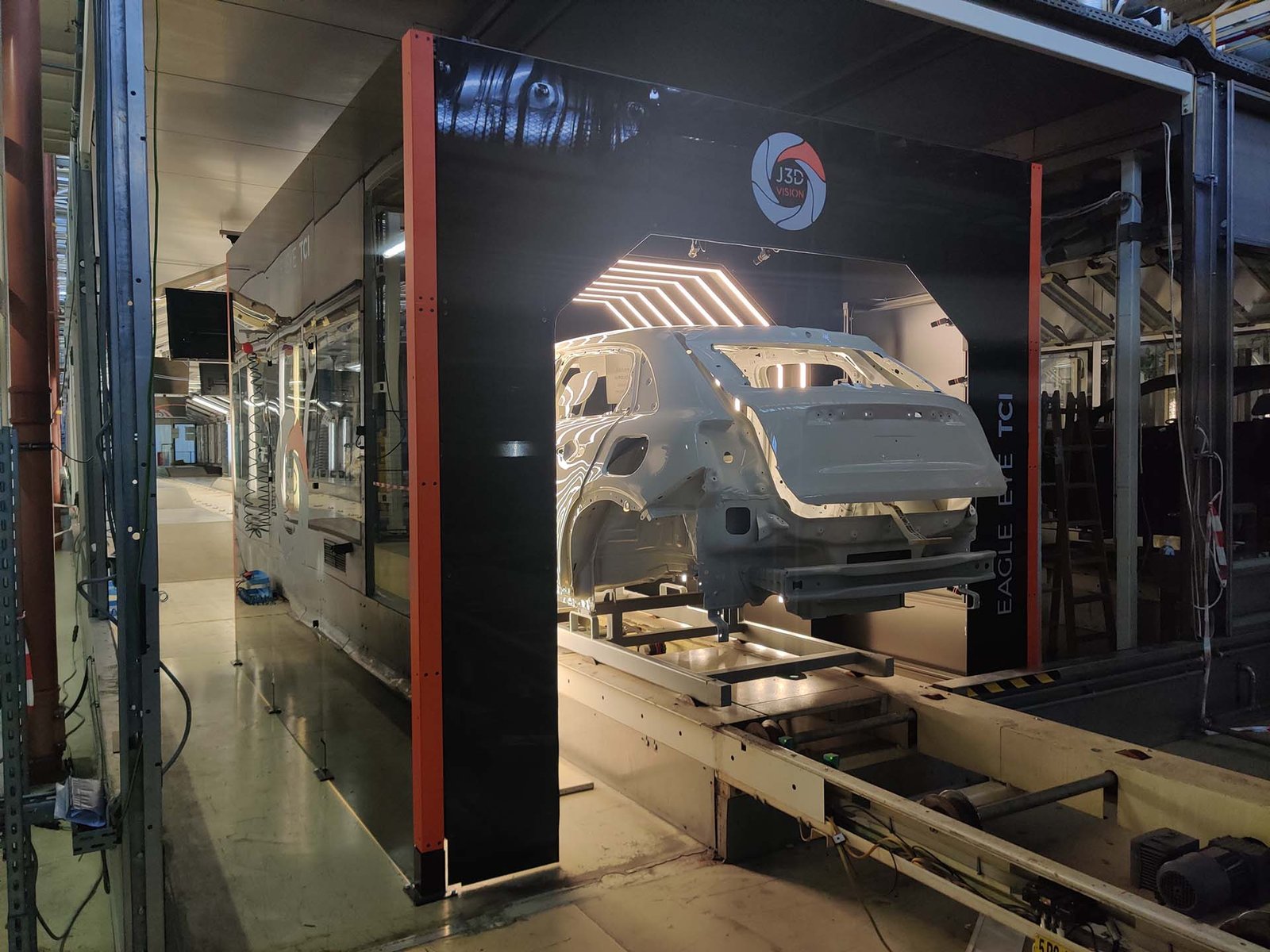
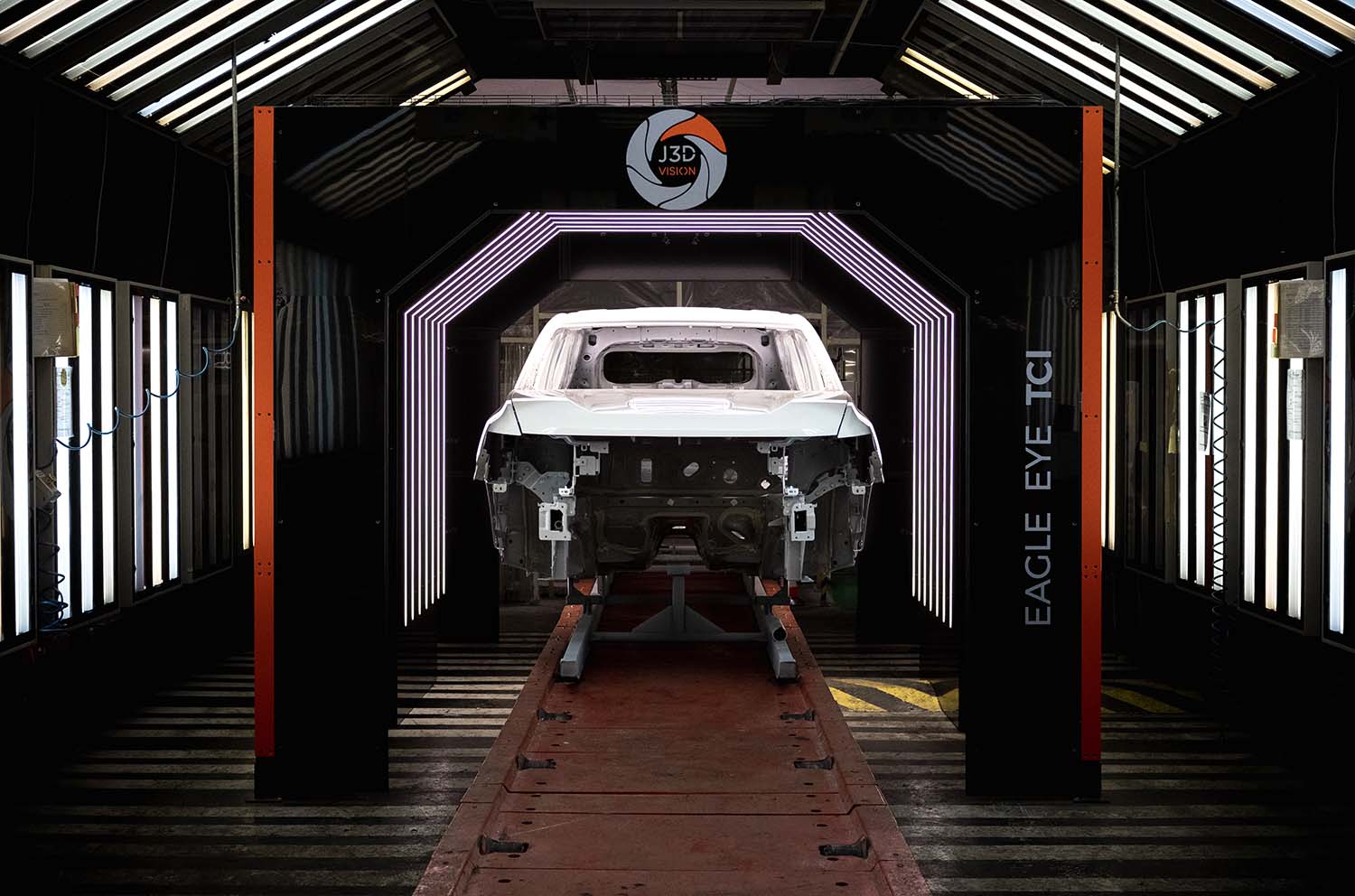
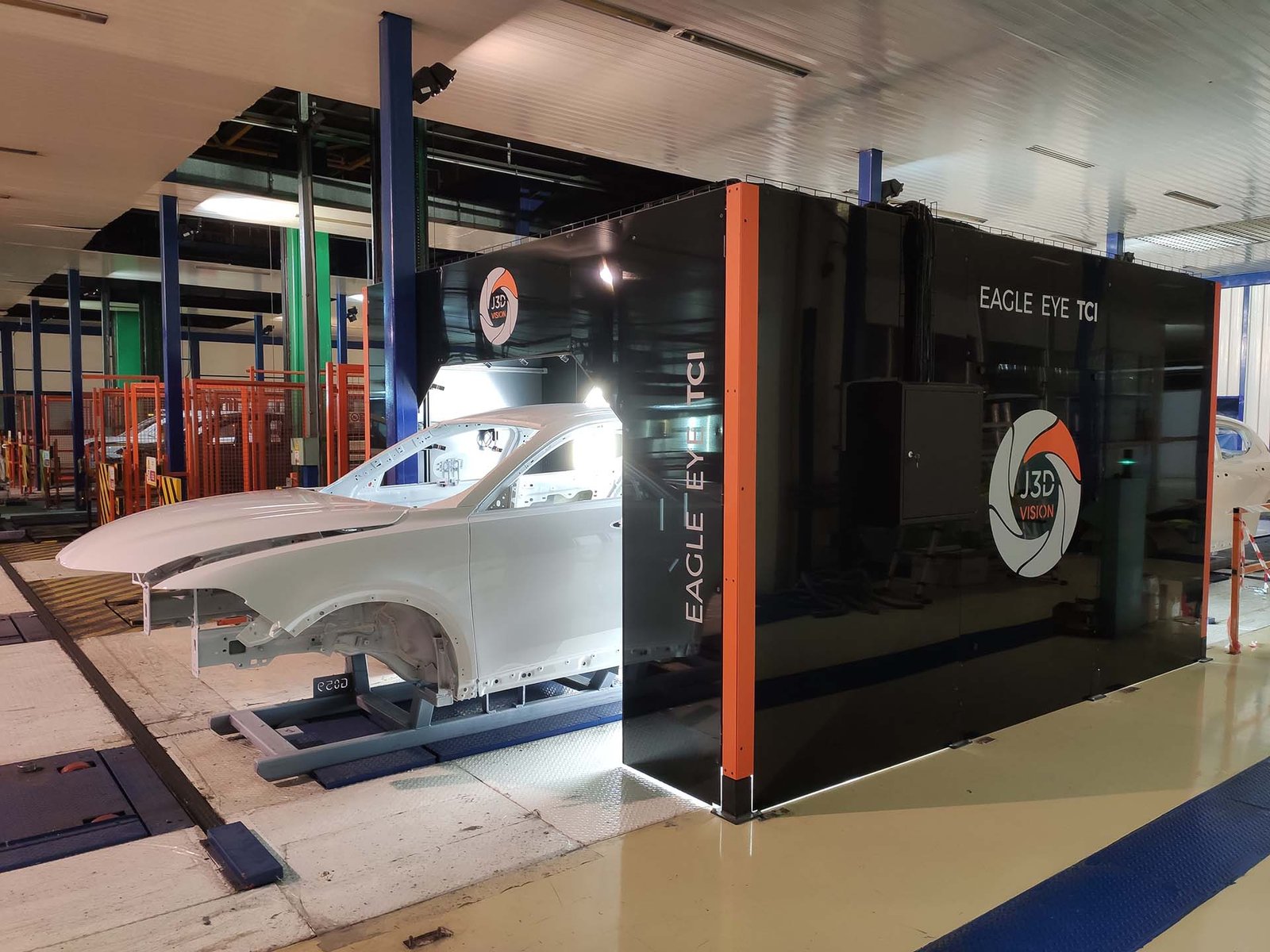
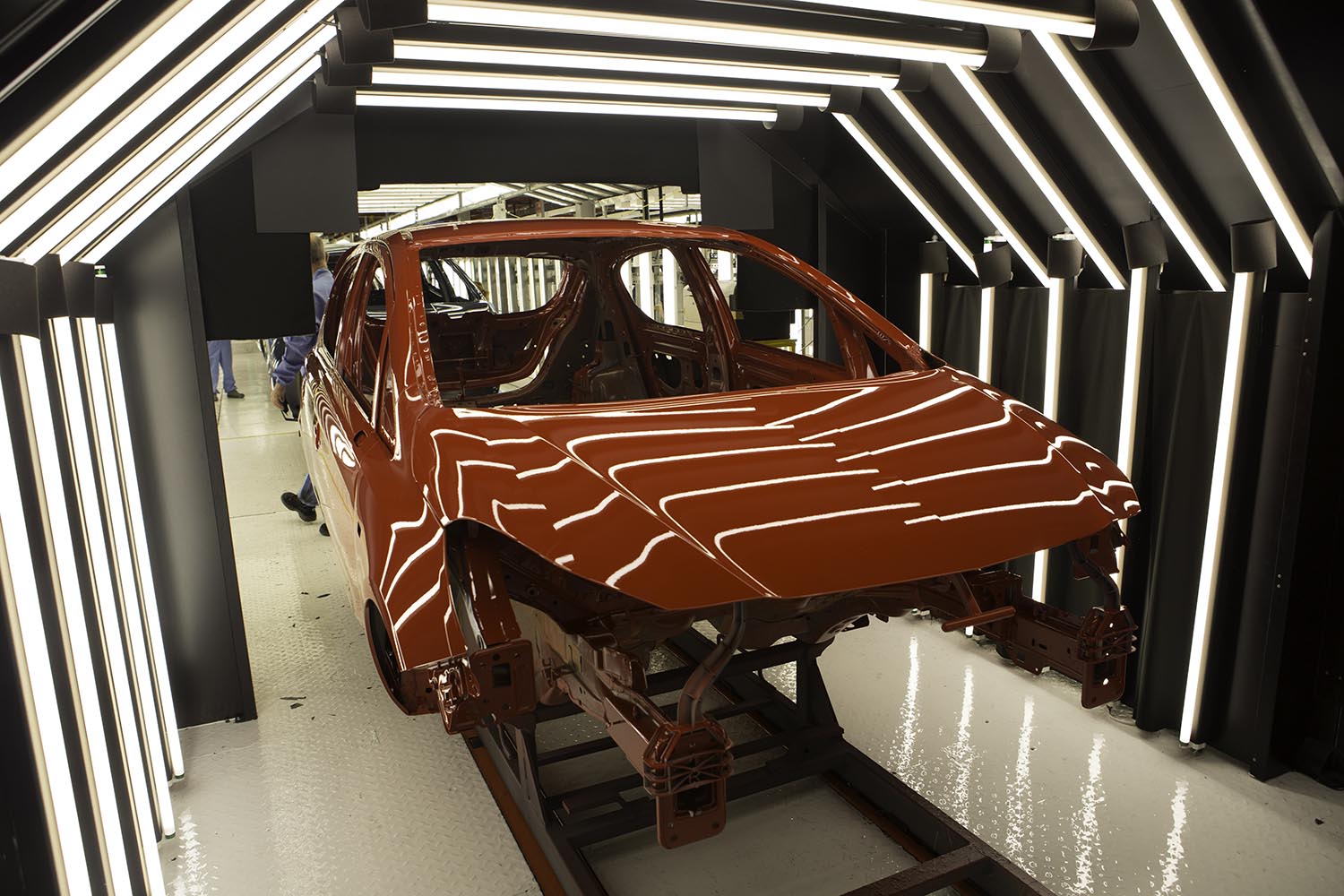
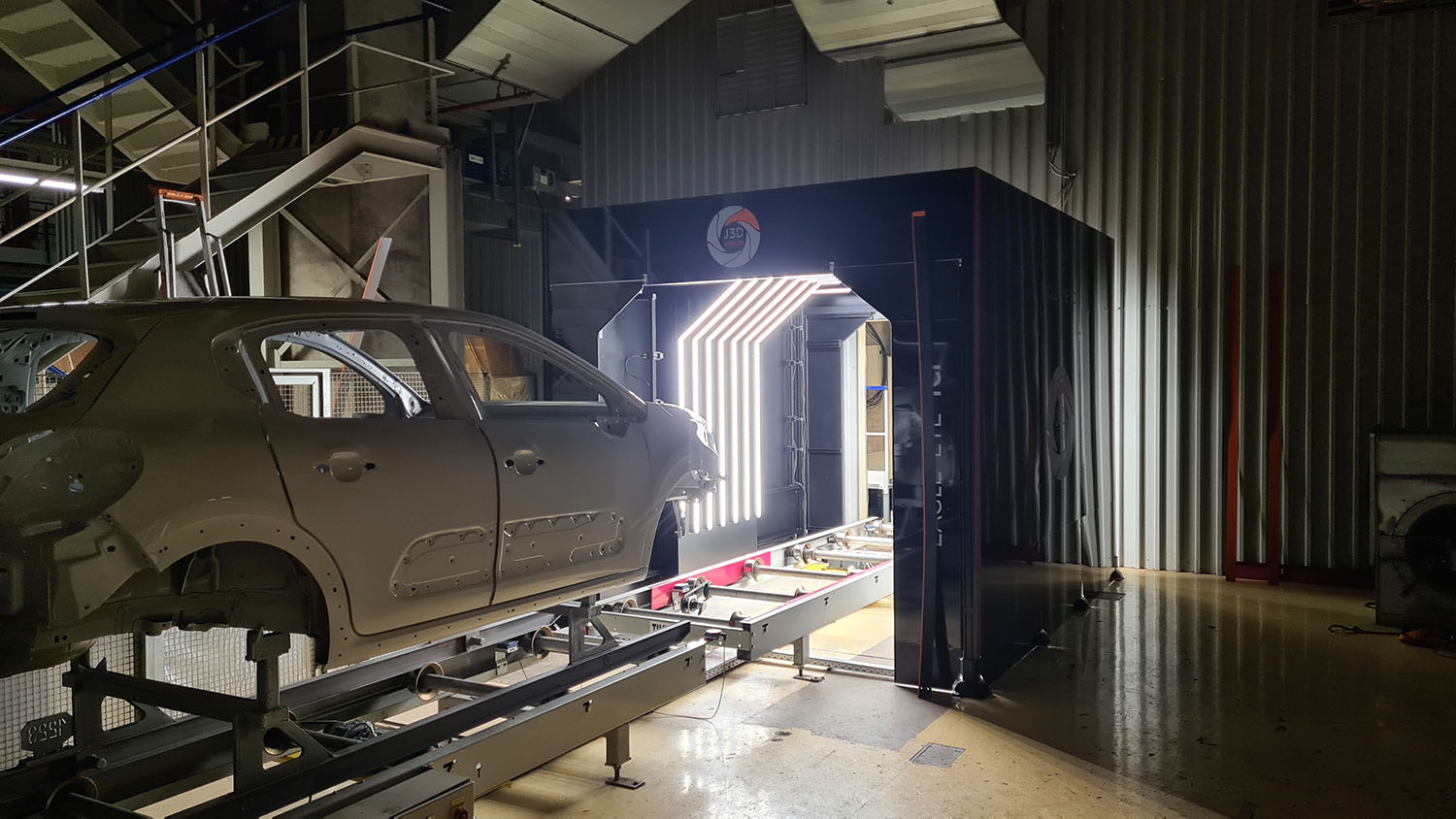
If you are familiar with J3D Vision’s in-line inspection, you know that systems like Eagle Eye detect defects on moving car bodies without slowing down production.
The real breakthrough occurs when that data stops being just a report and starts being an instruction. Hummingbird® integrates natively with Eagle Eye, which means:
- Zero re-scanning.
- Zero manual re-positioning.
- Zero human interpretation.
The system receives exact defect coordinates, type, and severity, making an instantaneous decision on how and where to act. This eliminates one of the biggest bottlenecks in automotive manufacturing: the friction between inspection and repair.
Intelligent defect management: data to action
In many facilities, quality analysis ends at a dashboard or an alert. With Hummingbird®, that analysis becomes immediate action.
The Station Controller acts as the system’s brain:
- Sequencing car bodies based on production flow.
- Determining which defects require robotic intervention.
- Directing each unit to the appropriate repair station.
- Optimizing cycle times without affecting line cadence (JPH).
This isn’t just automation for the sake of it; it’s about removing manual variables in a process where every second counts.
Automatic trajectory software: precision without programming
One of the greatest challenges in robotic sanding and polishing is programming. Every defect is unique: different locations, varying geometries, and shifting surface conditions. Traditionally, this required complex coding or manual touch-ups.
Hummingbird® breaks this logic. Based on the previously detected defect data, the software automatically generates:
- Approach trajectories.
- Specific sanding or polishing patterns.
- Real-time dynamic adjustments.
This allows for high-precision work on car bodies in-motion, a critical requirement for modern high-cadence lines. Furthermore, the system can operate as a standalone solution or as part of a comprehensive automated inspection system.
Force Compliant tool heads: where the magic happens
The Hummingbird® repair head is not an off-the-shelf accessory. It is proprietary technology designed specifically for the automotive paint environment, capable of following a defect even if the car body isn’t perfectly static.
The key is the Force Compliant concept:
- Constant Pressure: Applies the exact force required at every point.
- Surface Adaptation: Conforms to the specific geometry of the panel.
- Uniform Finish: Maintains consistency even on complex curves.
Available in both pneumatic and electric versions, it performs automated sanding and polishing without leaving swirl marks or overworking the surface. With integrated cameras and specific lighting, it provides dynamic compensation in real-time.
Eliminating the Hidden Cost: Manual Intervention
The highest cost in a paint shop isn’t usually detection—it’s correction. Manual processes lead to finish variability, total dependency on operator skill, and unpredictable cycle times.
By implementing robotic paint repair, plants can:
- Standardize results across all shifts.
- Reduce intervention times and eliminate unnecessary re-runs.
- Reallocate human resources to higher-value tasks.
- Lower the “hidden” Opex caused by small inefficiencies in the finishing process.
The J3D Quality Ecosystem
Hummingbird® is a vital link in a complete ecosystem of automotive inspection solutions:
- Top Coat Inspection for high-gloss finishes.
- Primer Coat Inspection for matte base layers.
- ELPO/E-Coat Inspection for corrosion protection.
- Underbody & Assembly Verification.
What sets J3D Vision apart is how these systems communicate. From the initial defect detection to autonomous correction and full traceability, we provide a seamless path to perfection.
Ready to see it in action?
Every production line has its own challenges. If you want to see how Hummingbird® can reduce operating costs, eliminate manual sanding, and improve finish consistency without slowing down your line:
👉🏻 Request a Personalized Demo
We will show you how to close the quality loop—from detection to repair—with zero friction.