The automotive industry operates under an absolute mandate: the relentless pursuit of zero-defect manufacturing and maximum Overall Equipment Effectiveness (OEE).
In modern assembly plants, where production cadences regularly reach up to 150 jobs per hour, legacy quality control methods like statistical sampling or manual visual audits have become glaring bottlenecks.
They don’t just slow down the physical throughput of the factory. They introduce human subjectivity—a variable that simply cannot scale when you are rolling thousands of units off the line every single day.
The technical answer to this challenge is end-to-end inspection automation.
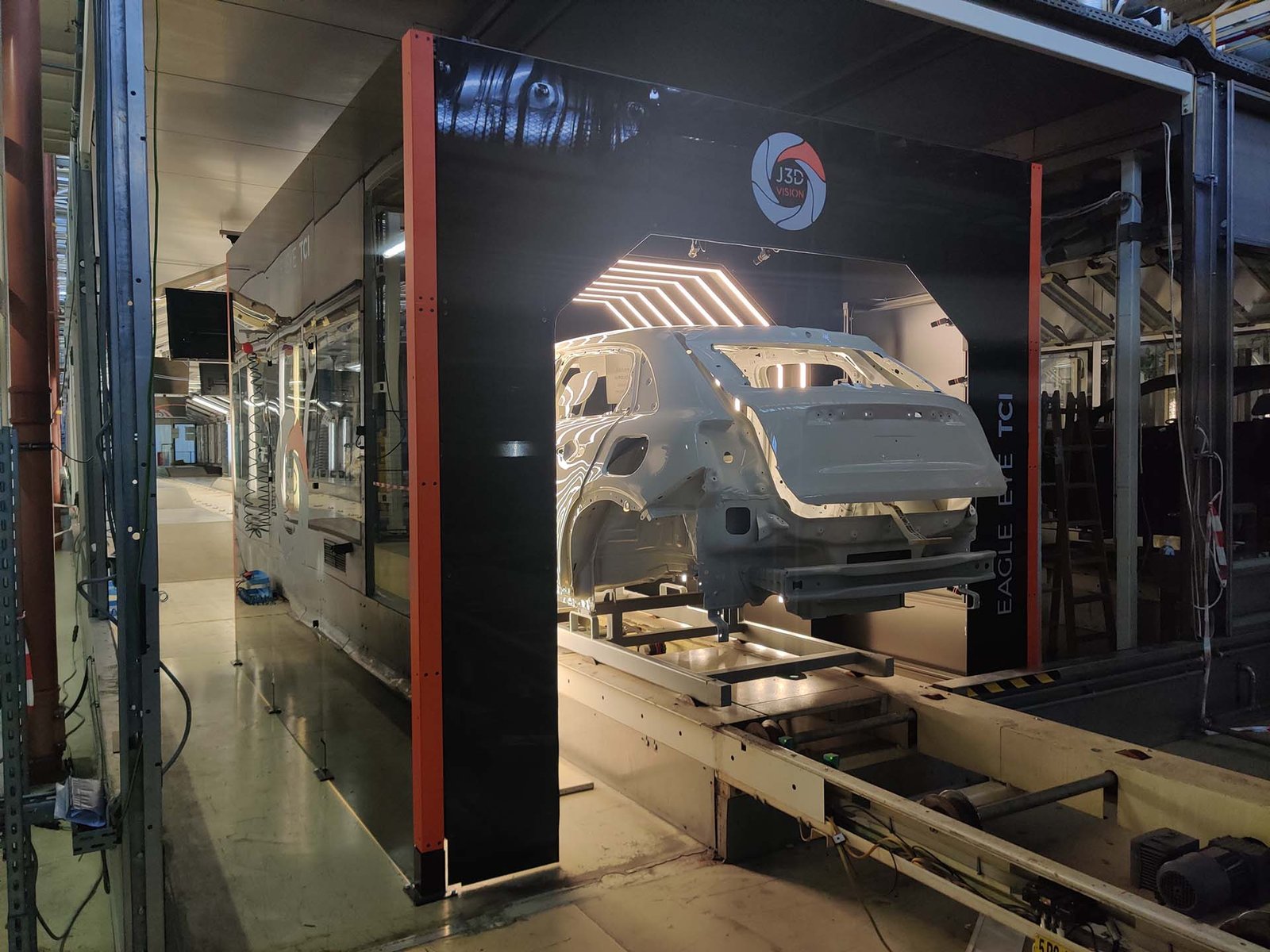
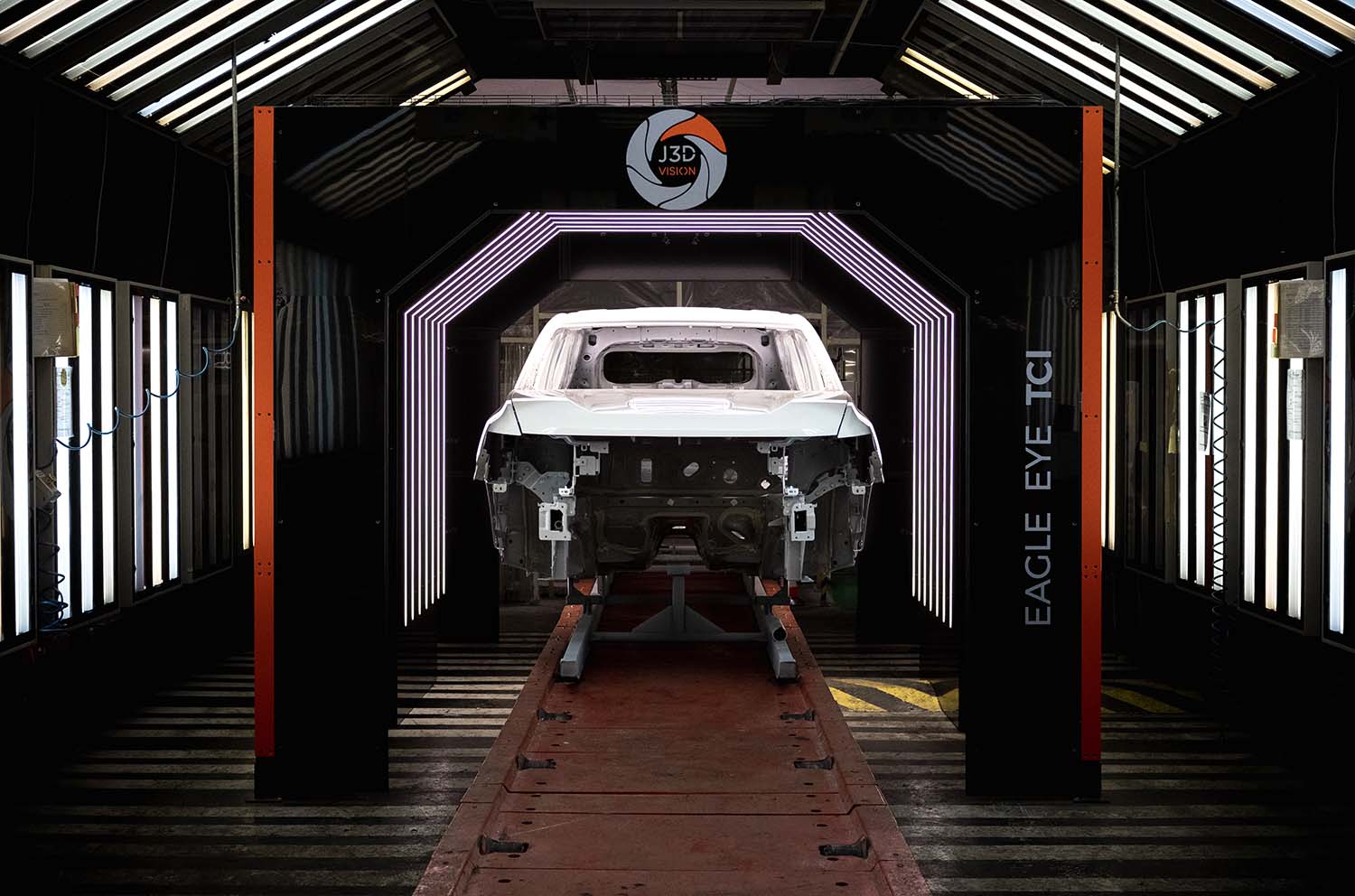
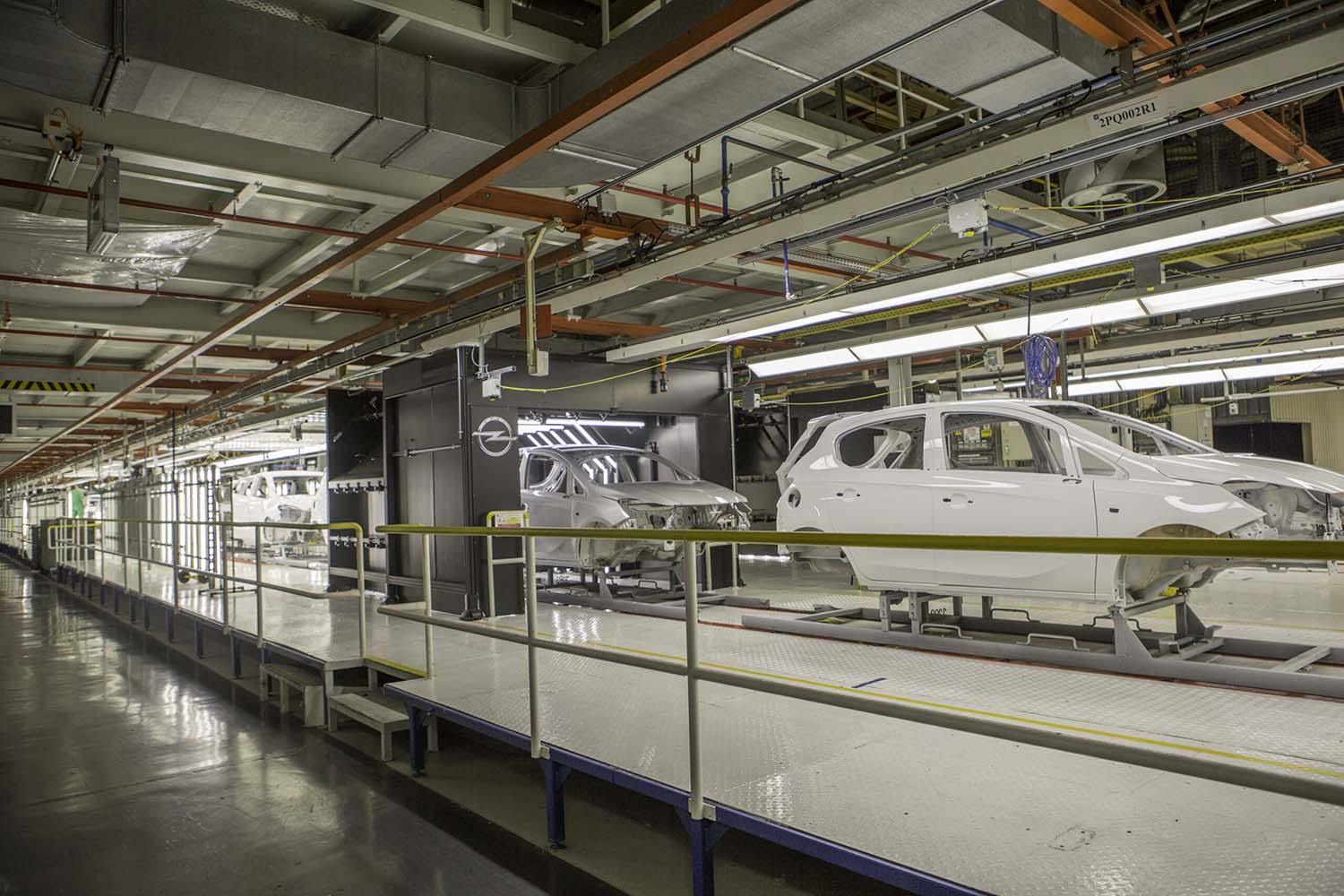
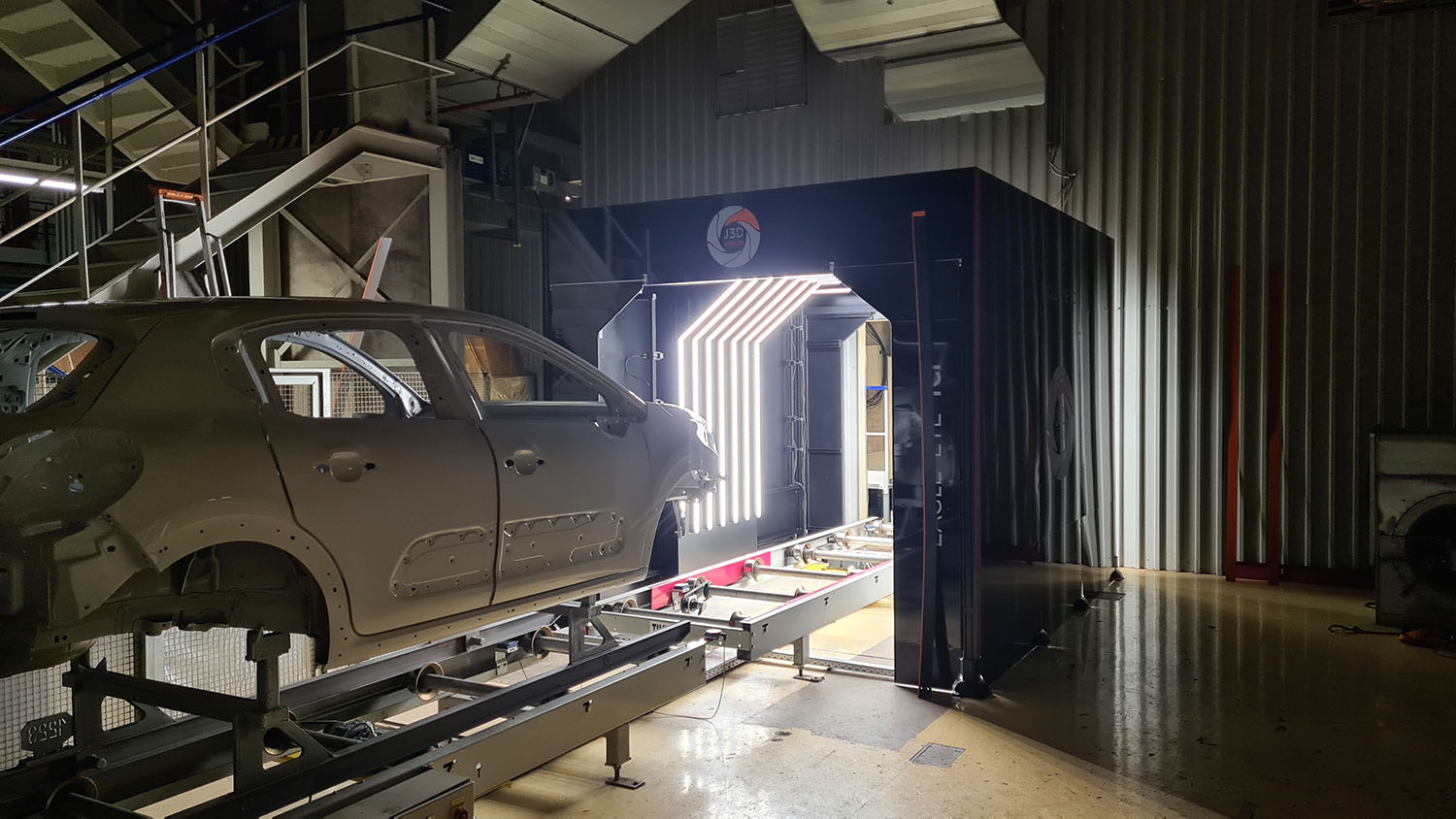
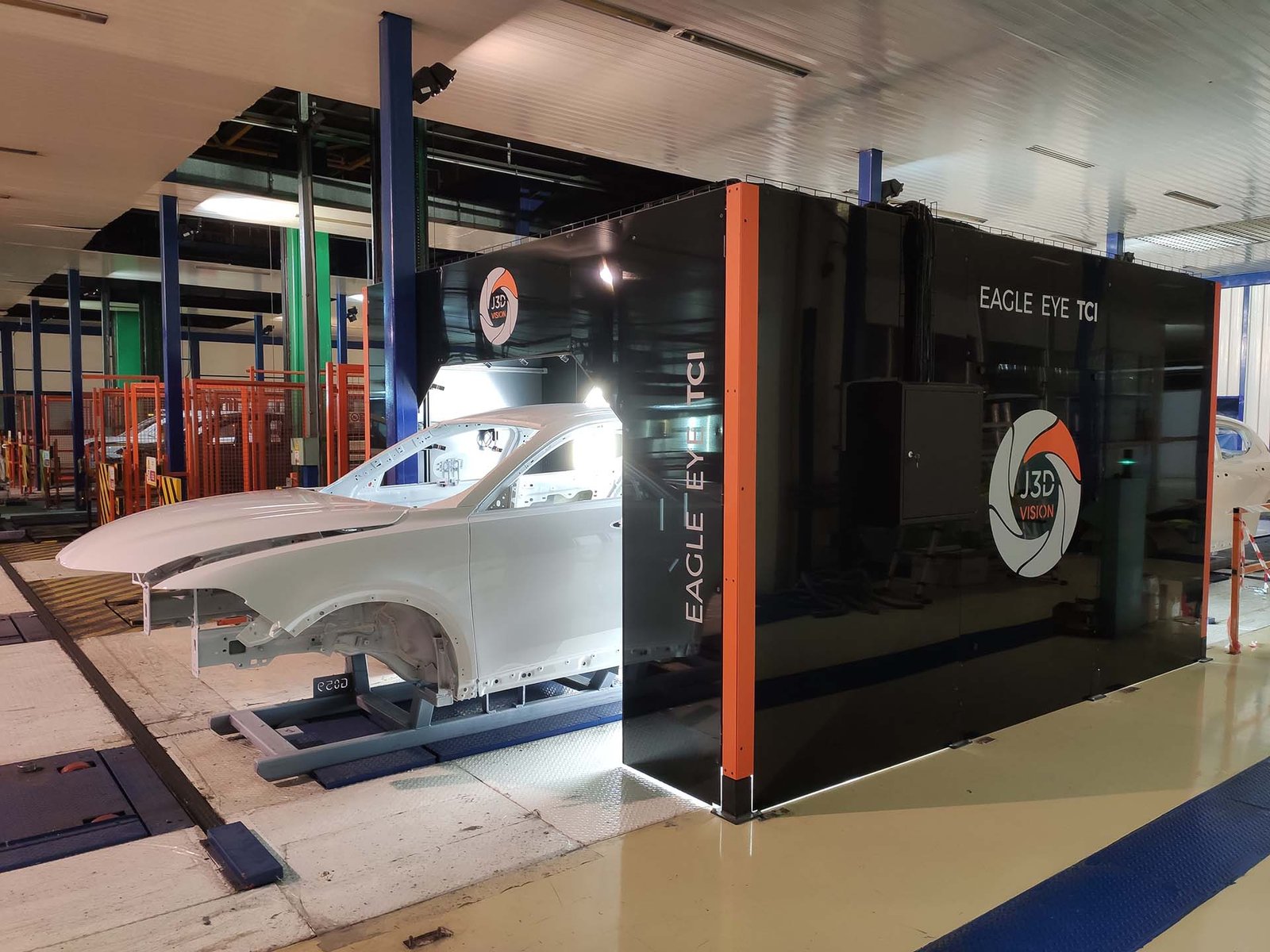
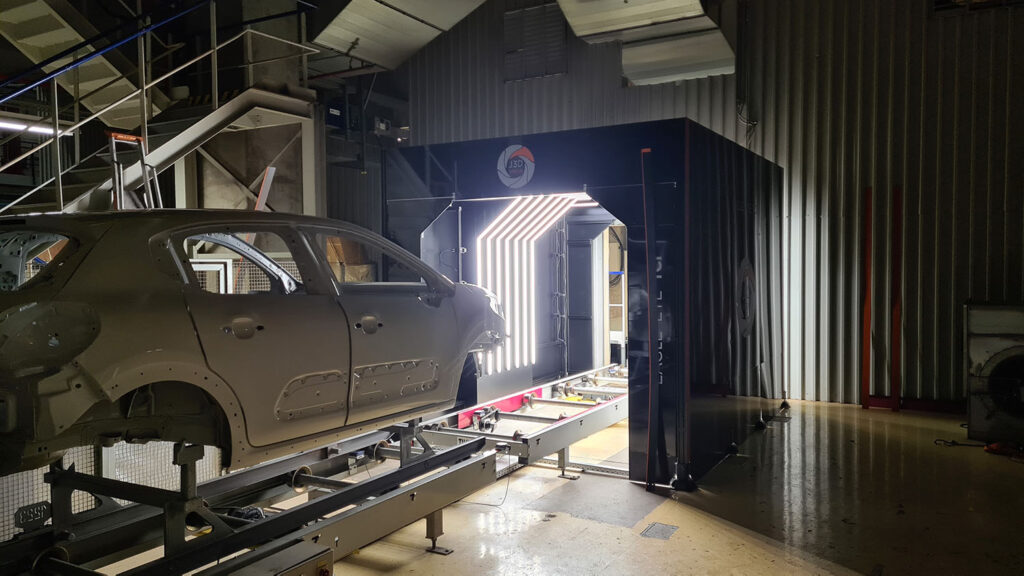
Today, converging advanced optics, multispectral lighting, and real-time edge computing allows you to hand over quality gates to intelligent automated car paint defect inspection and assembly verification systems. These solutions scan every single square millimeter of a car body on a moving line without stopping production for even a millisecond.
What Industrial Machine Vision actually means
Forget the basic concept of mounting off-the-shelf cameras over a conveyor belt. True industrial machine vision is a highly engineered ecosystem blending multispectral illumination, industrial-grade optical hardware, and proprietary deep learning software.
Its actual job is to capture high-resolution imagery under extreme plant floor conditions and translate those raw pixels into automated operational decisions in a fraction of a second.
Unlike standard computer vision, a factory floor demands absolute reliability against constant mechanical vibrations, ambient dust, and shifting factory lighting.
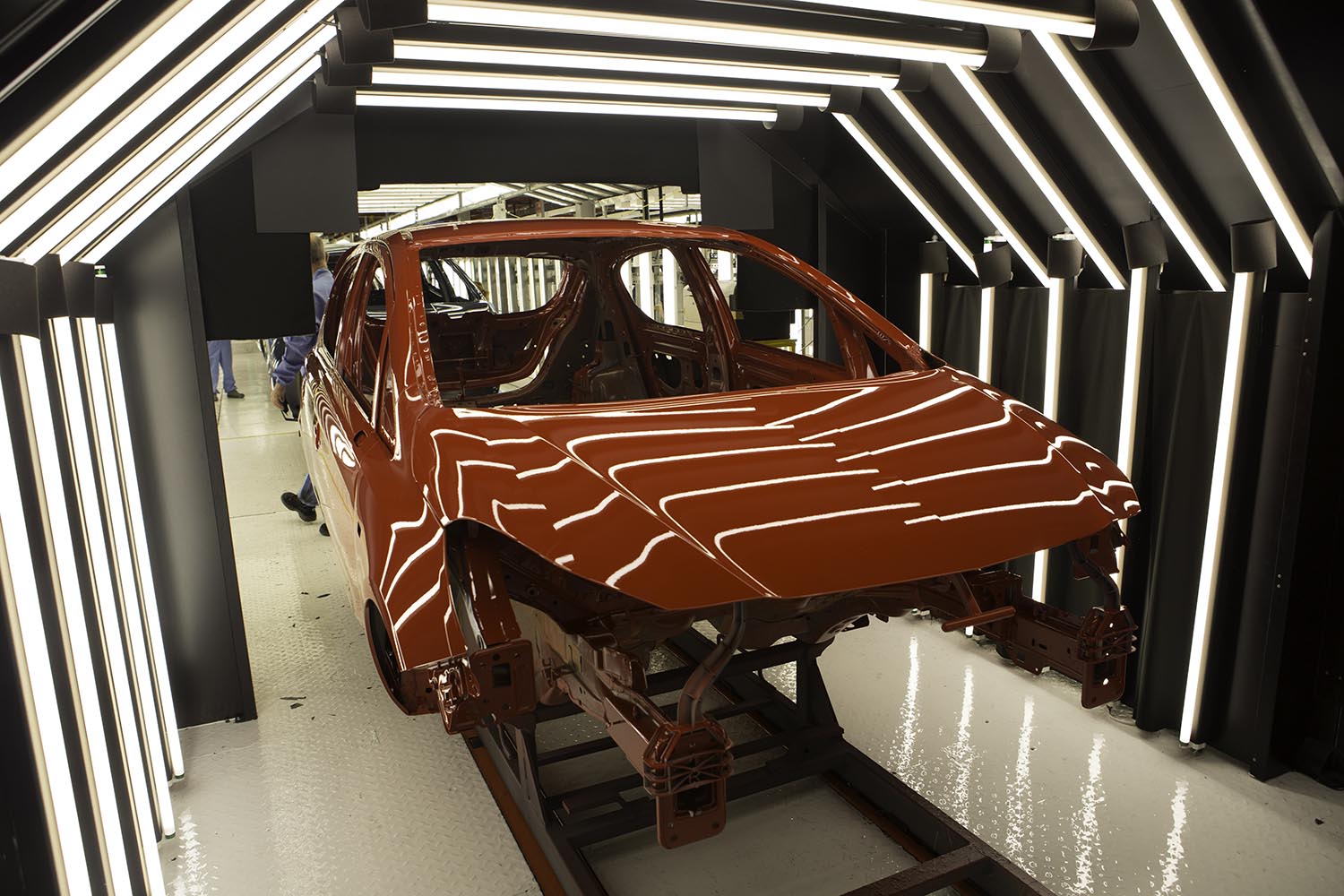
To overcome this, specialized multispectral lighting arrays cancel out harsh reflections on highly reflective metallic or wet surfaces. This allows the system to isolate surface anomalies completely invisible to the human eye, delivering objective, unyielding, and repeatable inspection data 24/7.
Why Automotive manufacturing demands 100% inline inspection
In the automotive sector, catching a defect at the end of the line is a financial nightmare.
Pulling a fully assembled vehicle to fix a flawed weld sealer or a tiny lamination speck in the clear coat kills profitability and tanks your plant’s global OEE. True cost reduction doesn’t come from reworking a bad part; it comes from preventing that part from advancing down the assembly sequence.
This is exactly why modern OEMs demand an automated inspection strategy that scans 100% of production directly inline. Deploying a system designed natively for moving vehicle bodies provides immediate operational advantages:
- Real-Time Actionable Data. It catches and classifies surface anomalies instantly, allowing engineering teams to adjust process parameters or spray booth settings before subsequent units are affected.
- Zero-Downtime Throughput. Because the system scans car bodies in-motion, the production line never stops. It handles line stops, indexing, and speed changes natively, processing one chassis while prepping for the next sequence.
- Drastically Reduced Maintenance. By utilizing fixed-frame hardware architectures rather than optical sensors mounted on robotic arms, you eliminate mechanical wear, collision risks, and costly periodic recalibrations.
This continuous visibility allows you to kill quality issues right at the source. For example, installing dedicated inspection gates immediately following the electrodeposition dip ensures the vehicle’s structural foundation is entirely free of pinholes or thin spots before any cosmetic coats are applied, locking in long-term rust resistance.
Deep Learning applied to complex surfaces
The paint shop has traditionally been the graveyard of classic machine vision systems. Harsh reflections from high-gloss clear coats, aggressive styling curves on modern vehicle architectures, and the introduction of matte or specialized multi-tone finishes used to trigger endless false positives that drove quality operators crazy.
The integration of AI in automotive manufacturing, powered by advanced deep learning algorithms, has completely rewritten the script. Instead of forcing engineers to manually write rigid, fragile pixel-contrast rules, the inspection software trains on real-world production images to build a flawless cognitive understanding of what a perfect surface looks like versus a defective one.
This software intelligence provides a massive jump in inspection capability across three areas:
- Intelligent classification. The system doesn’t just flag an anomaly; it immediately recognizes whether it is looking at a paint run, a sag, a crater, a ding, or a fiber inclusion, archiving it perfectly in your quality management system.
- Severity and zone filtering: You can easily configure distinct quality thresholds depending on the vehicle’s geometry. The software can ignore micro-imperfections in hidden structural areas while applying ultra-strict criteria to primary A-surfaces.
- Dynamic style adaptability: The sensors automatically swap inspection profiles based on the specific vehicle model identified by the line PLC. This means the exact same tunnel inspects a matte paint finish or primer coat and immediately switches parameters to scan a high-gloss top coat on the very next vehicle.
Crucially, the value doesn’t stop at the scan. The three-dimensional coordinate map generated by the AI feeds directly into automated downstream systems, like the Hummingbird intelligent automated paint defect repair solution. This guides automated polishing or sanding systems to fix the defect with zero manual intervention, slashing your end-of-line rework loop.
MES Integration and Industrial Traceability
An automated inspection gate operating as an isolated island of automation cannot solve a factory’s systemic process flaws. To deliver a genuine return on investment, your industrial machine vision system must talk directly to your line PLCs and your plant’s central Manufacturing Execution System (MES).
As a vehicle body enters the inspection tunnel, the vision system reads its unique identifier and queries the MES for its exact build sheet. Once the AI finishes scanning, the software pushes back a digital twin of that specific chassis, complete with a precise defect coordinate map and high-resolution image captures. Connecting your data loop this tightly unlocks three massive strategic advantages:
- Immutable quality traceability. Every single vehicle leaves the shop with a digital birth certificate proving its surface quality at every phase (ELPO, primer, top coat), legally protecting your plant against future warranty claims.
- Predictive process control. Aggregating data over time (Big Data) allows you to spot if a specific defect is trending in the exact same spot on the car body. This helps you catch clogged spray nozzles or oven temperature drops before they trigger an expensive quality crisis.
- Intelligent routing. If a vehicle exceeds your pre-set defect threshold, the MES receives an immediate signal to automatically route that specific chassis directly to the appropriate repair spur, drastically optimizing your automotive rework reduction workflows.
This same philosophy of complete connectivity and continuous monitoring applies to vaster structural scopes. By deploying automated systems for underbody inspection and assembly error prevention.
Your plant automatically verifies the absolute integrity of structural sealer beads, acoustic dampening pads, and floor pan plugs before the vehicle ever advances to final assembly.
How to start automating quality control in your plant
Maximizing your plant’s OEE requires tools that are objective, data-driven, and built to withstand the punishing cycles of modern manufacturing. J3D Vision’s inline inspection systems eliminate the uncertainty of manual quality checks, automating defect detection at 150 jph with zero moving parts and complete integration into your existing MES architecture.
If you want to see how our multispectral machine vision and deep learning technology can seamlessly integrate into your lines to cut rework costs and secure flawless finishes, our engineering team is ready to map out your specific application.
Get in touch with our team through our contact us page or submit your plant specifications directly to request a personalized demo of our inline inspection systems.