In the modern automotive industry, the quality of a paint finish extends far beyond aesthetics—it serves as a critical barometer for overall plant throughput and operational efficiency.
Yet, many manufacturing facilities still wrestle with a costly operational blind spot: uncovering surface imperfections only after the vehicle has emerged from the final clear coat oven. At this advanced stage, engineering workarounds and extensive rework do not merely inflate build costs; they severely bottleneck the entire production line.
The key to optimizing quality control is not finding a better way to audit vehicles at the end of the line. Rather, it requires deploying automated defect detection early in the paint process, specifically at the e-coat (ELPO) and primer stages.
Through advanced automation and robust in-line machine vision systems, OEMs can now isolate anomalies on both matte and metallic surfaces in real time without halting production—fundamentally altering the plant’s cost-of-quality dynamics.
The Hidden Drain of End-of-Line Defect Detection
The moment a quality inspector or automated camera flags a paint defect in the final audit deck, a costly clock starts ticking. Reducing rework in automotive manufacturing has shifted from a metric-driven goal to an absolute operational necessity for plant managers. Allowing a defect to slip through to the final stages incurs steep penalties:
- Compounded Energy Costs: Defective car bodies must be routed backward through energy-intensive curing ovens for a second time.
- Material Waste: The process consumes double the amount of basecoats, clear coats, and solvents.
- Throughput Bottlenecks: A high-speed line operating at 150 JPH (Jobs Per Hour) suffers immediate OEE losses the moment a unit must be pulled from the main conveyor line for off-line manual repairs.
An exhaustive quality control analysis confirms that addressing a defect immediately after electrodeposition (ELPO) is up to ten times more cost-effective than mitigating it after the final varnish. Implementing early-stage quality inspection systems transitions the entire shop floor from a reactive fix-it culture to a highly predictive, preventive framework.
Why E-Coat and Primer Quality Dictate First-Time-Through Success
It is a common misconception that final gloss covers all sins. In practice, automotive body paint behaves as a layered stack where each application inherits and amplifies the underlying surface topography. Intermediate vehicle inspection is therefore vital:
- E-Coat (ELPO) Layer: This serves as the bedrock for anti-corrosion protection. Pinholes, cratering, or thin areas within hidden geometries at this stage will irreversibly compromise long-term structural warranties.
- Primer Coat: Surface blemishes here are notoriously low-contrast and virtually impossible for the human eye to consistently discern—particularly on modern matte finishes.
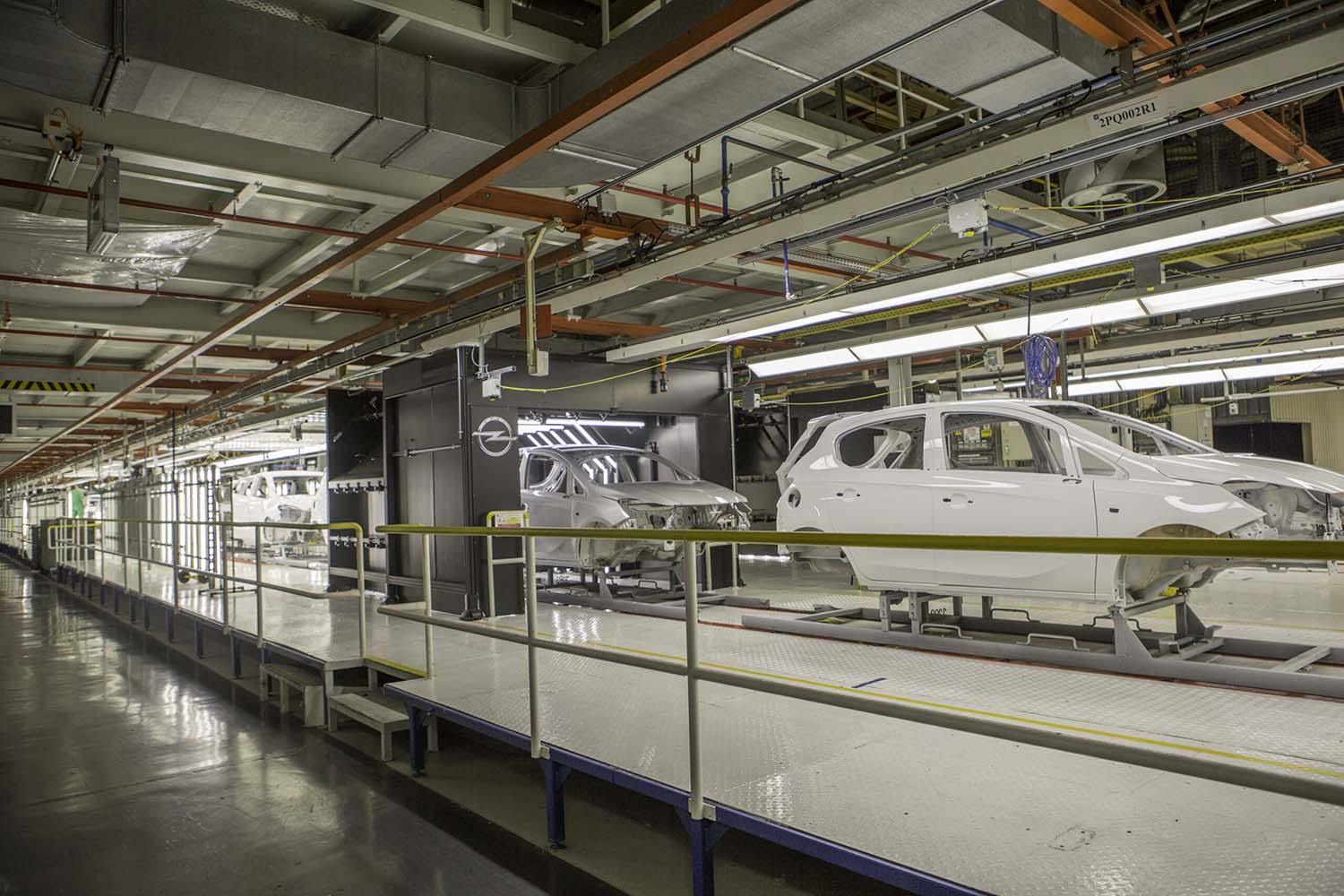
This is precisely where precision engineering proves its value. Utilizing optical and laser measurement techniques, J3D’s advanced hardware enables seamless automated quality control inspections even across low-contrast, non-reflective surfaces. Identifying a speck of dust on the primer layer allows operators to intervene before the color coat and lacquer permanently “bury” the issue, keeping the required correction fast, localized, and inexpensive.
Seamless In-Line Inspection at Full Line Speed
Historically, integrating industrial 3D vision into high-volume paint shops has posed a significant challenge regarding cycle times. Plant engineers frequently worry that installing automated inspection systems will necessitate disruptive line modifications or compromise conveyor speeds.
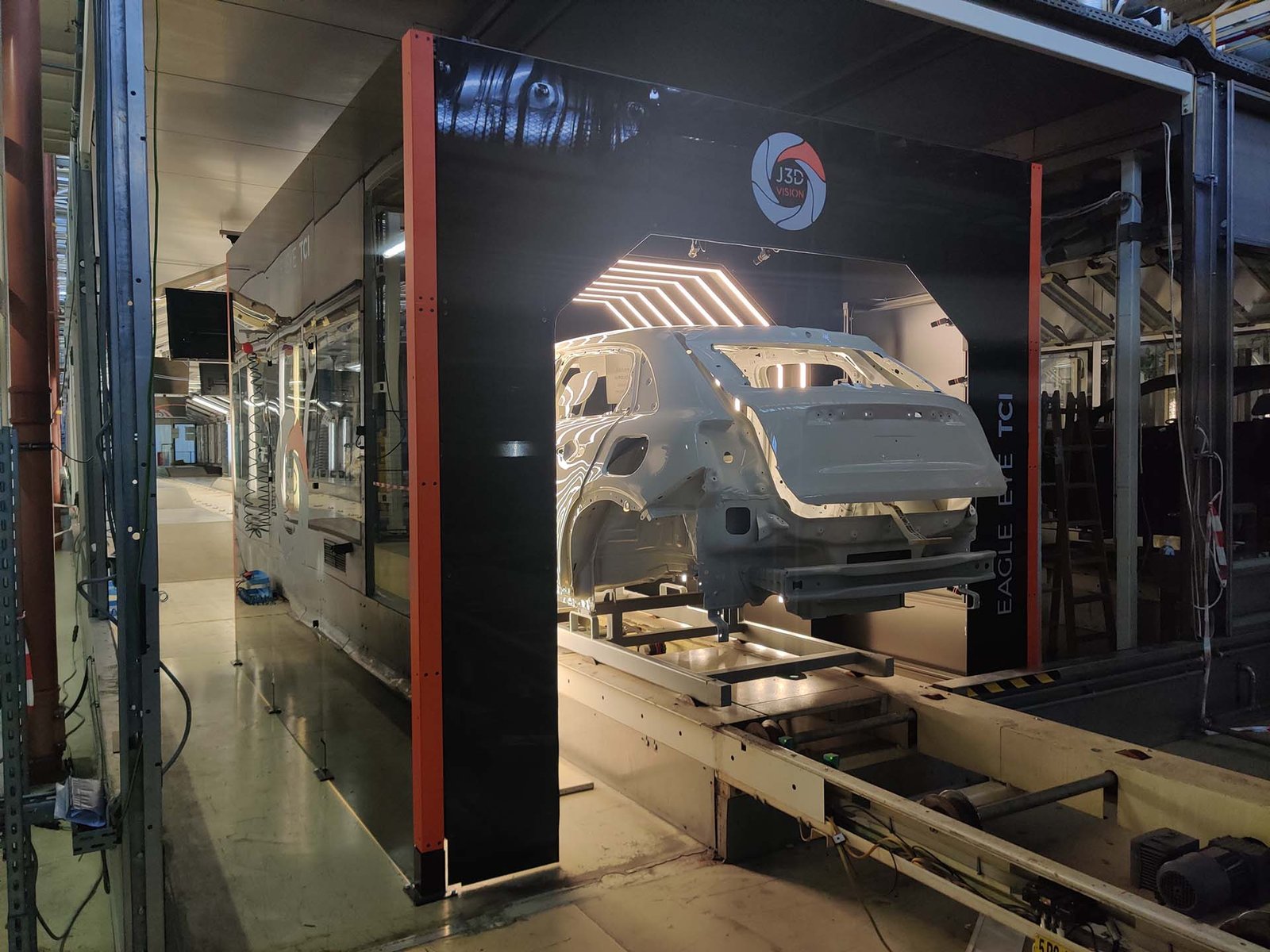
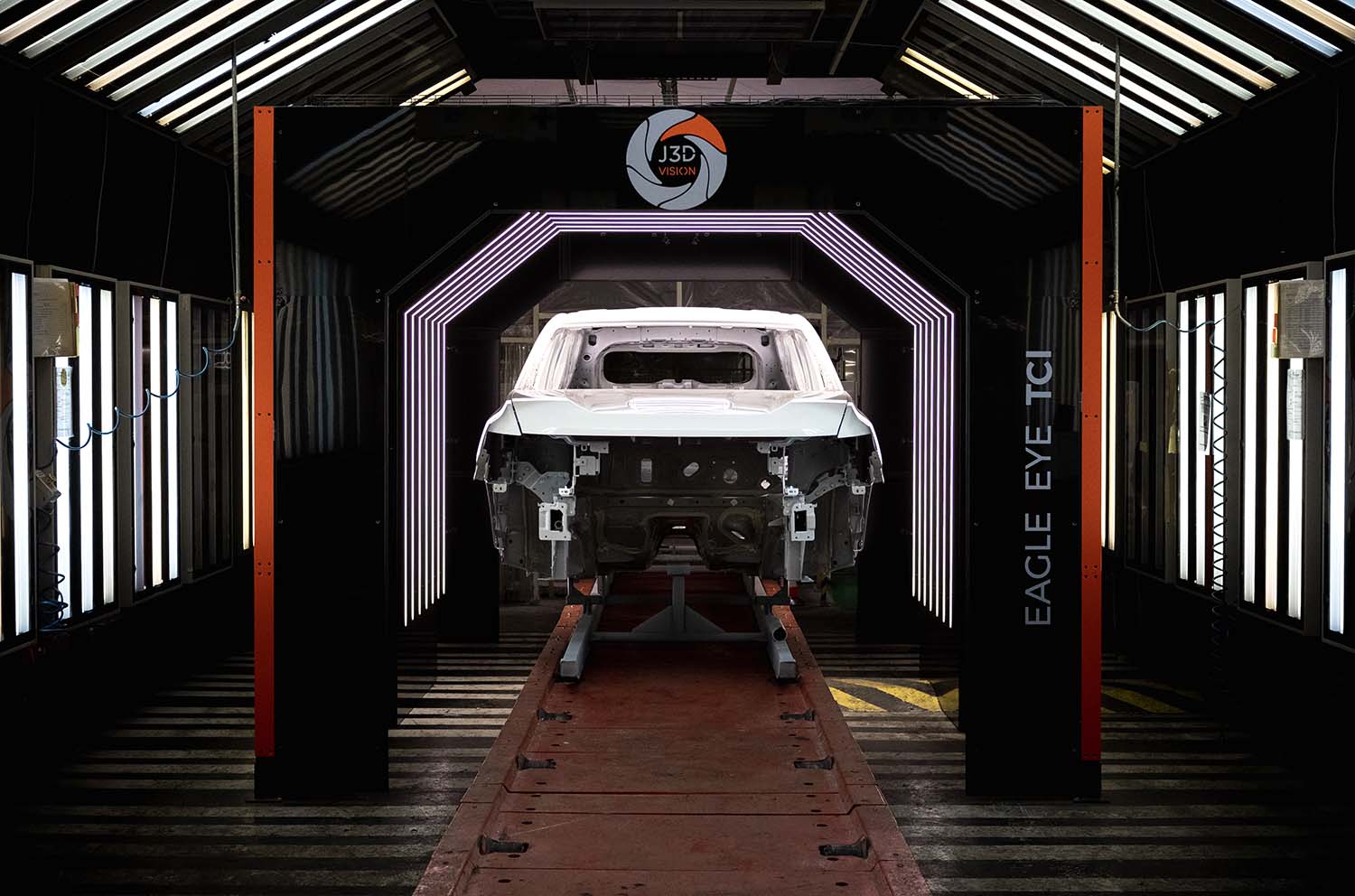
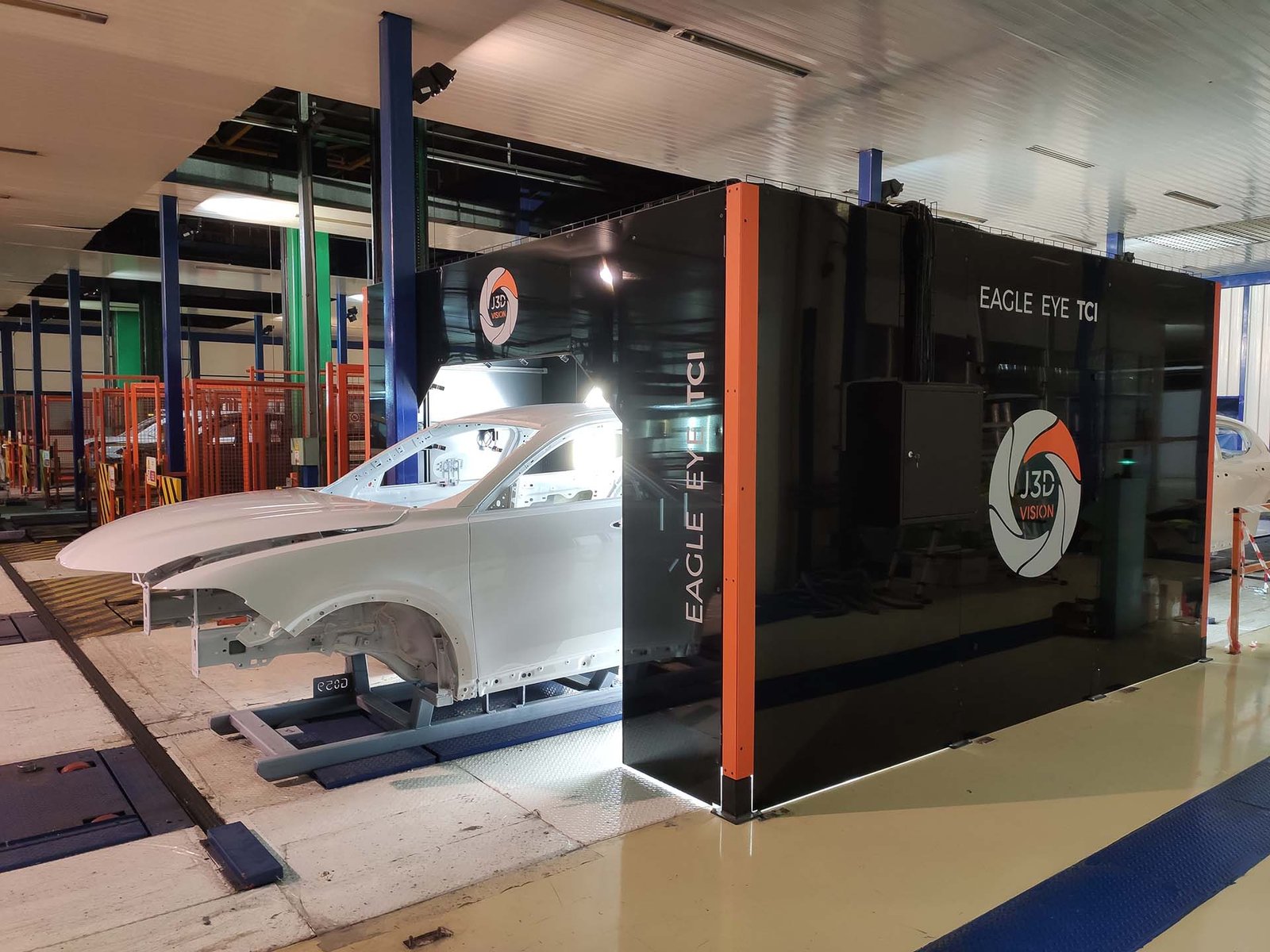
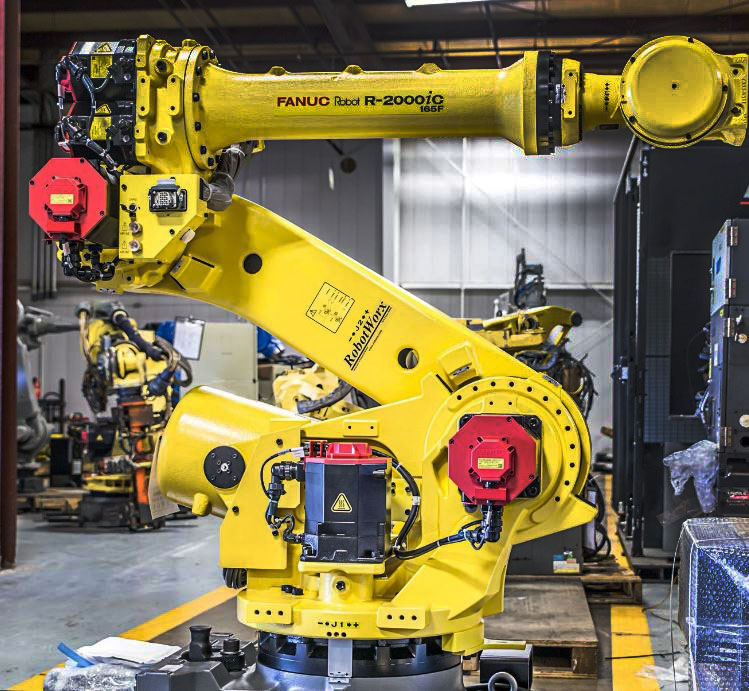
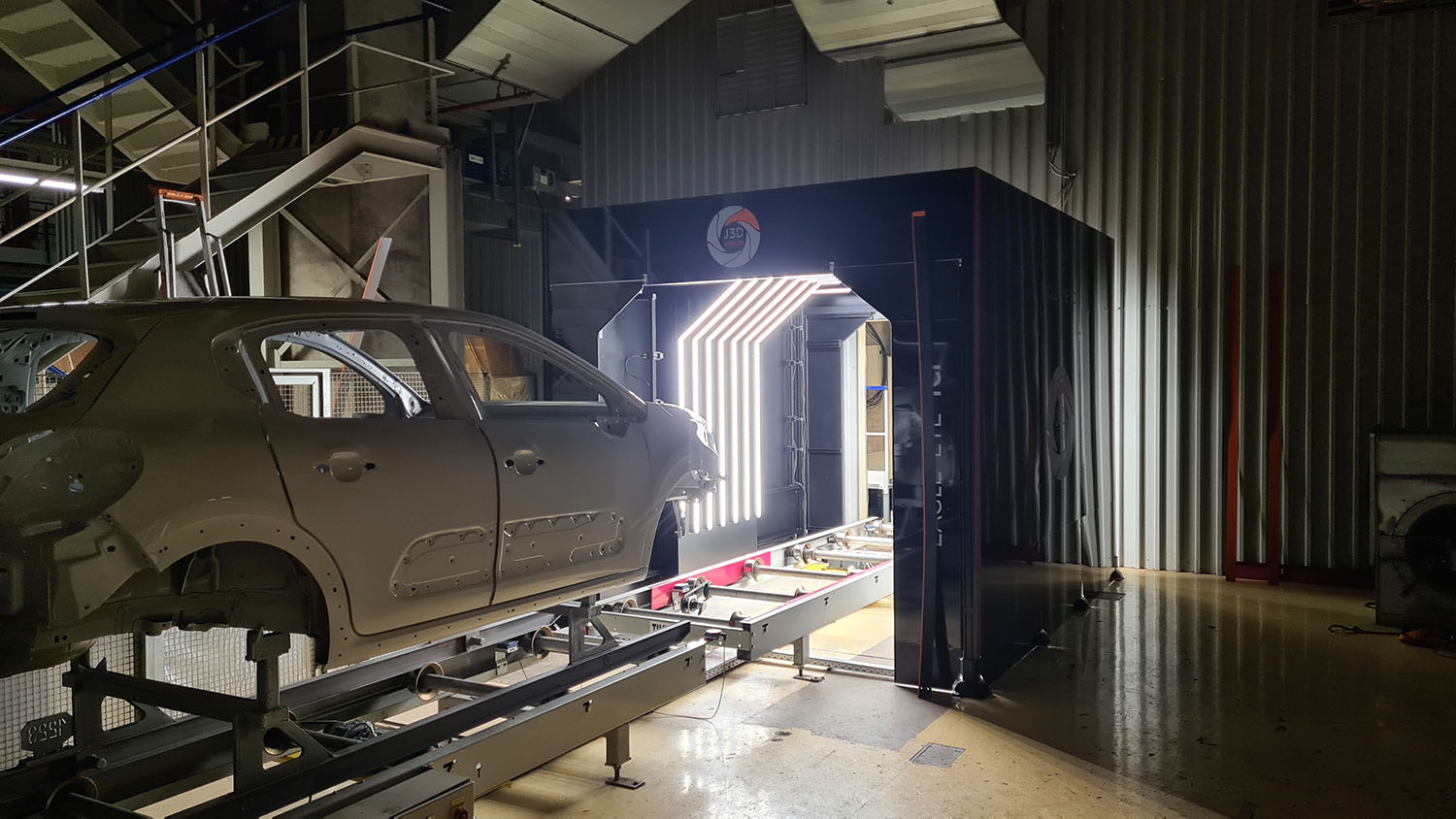
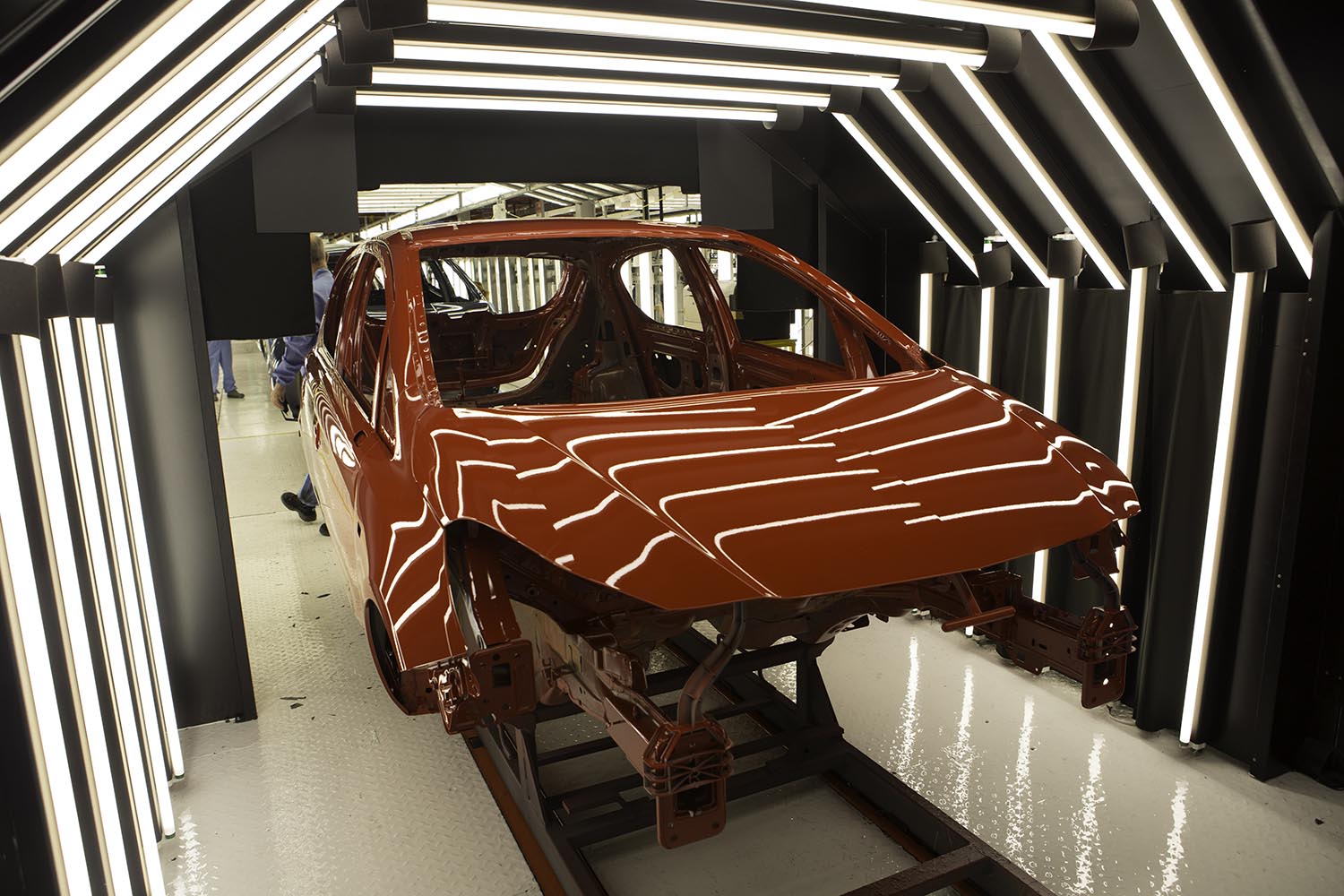
The Eagle Eye inspection technology bypasses these constraints through a patented, in-motion inspection architecture. Unlike alternative market solutions that require car bodies to pause or rely on complex, high-maintenance robotic arms to guide the sensors, our setup remains completely stationary and compact:
- In-Line Automotive Machine Vision: High-speed cameras paired with proprietary AI inspection algorithms analyze data seamlessly as the vehicle moves at standard line speeds.
- Zero Maintenance Overhead: Eliminating moving parts removes mechanical wear and tear from the equation, guaranteeing 99.9% uptime in demanding paint shop environments prone to high humidity and temperature cycling.
- Plug-and-Play Footprint: The hardware drops directly into existing physical line gaps, operating as a continuous “smart light tunnel” that eliminates human subjectivity and fatigue.
Redefining Cycle Times with Eagle Eye and Automated Repair
True industrial intelligence goes beyond merely flagging a failure; it hinges on data actionable downstream. Isolating defects on moving car bodies yields a precise coordinate data set—creating an instantaneous “Digital Twin” of the blemish.
When the Eagle Eye system logs an anomaly, its AI/ML engine instantly classifies it by size, type, and statistical severity. This clear data stream is fed directly into the Hummingbird® automated repair ecosystem, yielding immediate floor benefits:
- Targeted Sanding and Polishing: The downstream robot interfaces with the coordinate map directly. It navigates straight to the defect, eliminating the need for an operator to manually hunt for blemishes with a hand lamp.
- Closed-Loop Traceability: Every vehicle body is archived with a comprehensive layer-by-layer history. This data-driven approach to automotive quality control enables engineers to recognize pattern trends—such as a clogging spray nozzle or a failing air filtration bank—long before it triggers an unmanageable spike in rework rates.
Ultimately, deploying 3D machine vision for automated quality management has transitioned from an optional upgrade to an essential operational strategy. Car plants that integrate in-motion, early-layer automotive inspection solutions protect their margins, secure high first-time-through rates, and consistently deliver a flawless paint finish that satisfies the most stringent dealer standards.