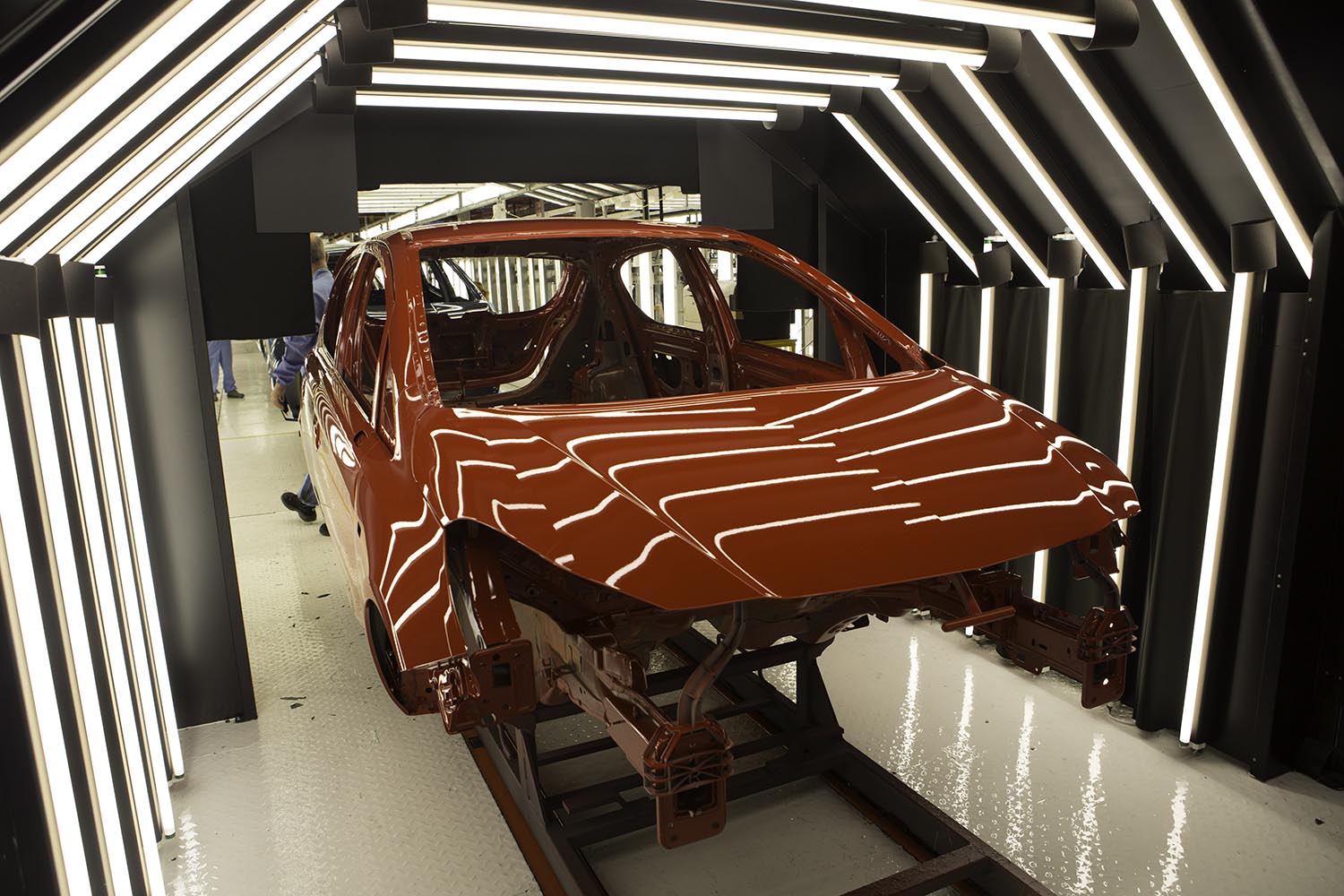

Paint defects on vehicle bodies still rely on operators to find them, identify them and judge how serious they are. Then comes the decision: can the defect be fixed on the spot by sanding and polishing, with or without stopping the line, or does it need to be flagged for repair further downstream?
Every one of those steps carries an operating cost. Labor, consumables, energy and the time spent on inspection and repair all weigh on line efficiency and throughput.
What is the cost of poor quality in a paint shop?
The cost of poor quality (COPQ) covers every additional cost caused by defects, deviations or failures to meet quality requirements during painting. It breaks down into four main buckets:
- Material waste and rejects
- Rework and re-inspection
- Line stoppages, lost productivity and extra handling
- Customer complaints and warranty claims
Unlike prevention costs, such as inspection or process maintenance, none of this adds value to the product. It only fixes a failure or makes up for one.
The four biggest cost drivers
Material waste and rejects
In a paint shop, a reject rarely means a whole vehicle body. It means paint, clearcoat, abrasives and polishing compound spent fixing defects. When a full panel has to be resprayed or replaced, consumption multiplies.
Rework and re-inspection
Every body sent back through the paint line takes up production capacity and goes through the drying oven again, at a significant energy cost. Add the labor needed to prep the body for respraying, plus the handling and logistics of pulling it off the line and feeding it back in.
Downtime and potential OEE lost
Time spent repairing defects doesn’t necessarily mean a direct OEE loss. But when repair areas back up, sequencing with final assembly can slip and OEE takes a hit. Those losses show up in production reports, not quality reports.
Warranty claims
A defect that slips past final inspection reaches the dealer as a warranty claim. Off-site repair costs come with admin overhead and damage to perceived brand quality.
Why the cost of poor quality never shows up in the quality report
The quality department identifies and logs defects, but the associated costs are spread across different areas: energy, consumables, lost production, reprocessing and warranty.
That fragmentation makes the true cost of poor quality hard to quantify and can lead plants to underestimate the return on quality investments. Getting the full picture means pulling those costs together and mapping them to each stage of the paint process.
Three levers to reduce the cost of poor quality
Catch defects at the stage where they occur
The later a defect is caught, the more it costs to fix. We covered why in how to reduce rework by detecting paint defects earlier.
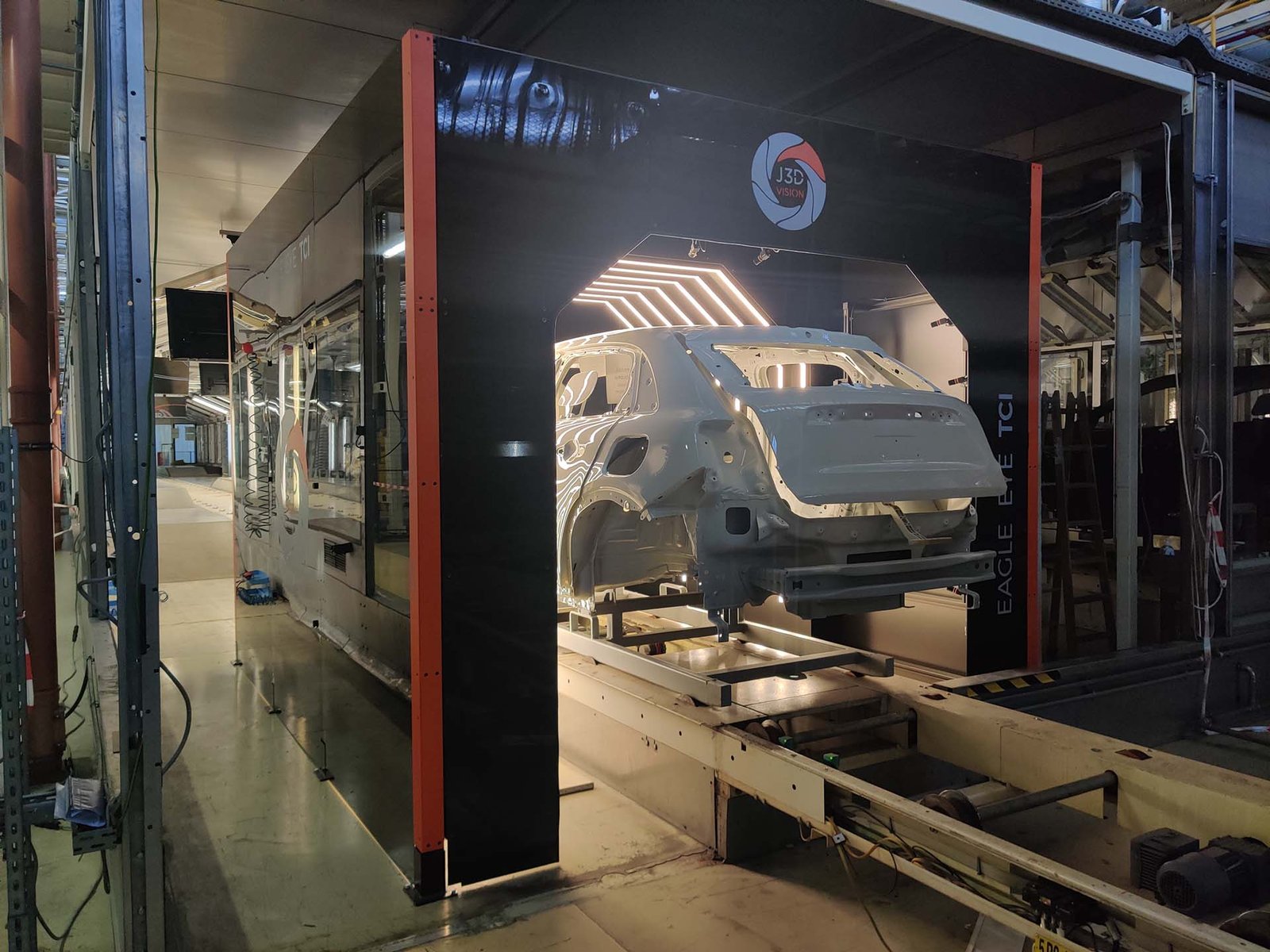
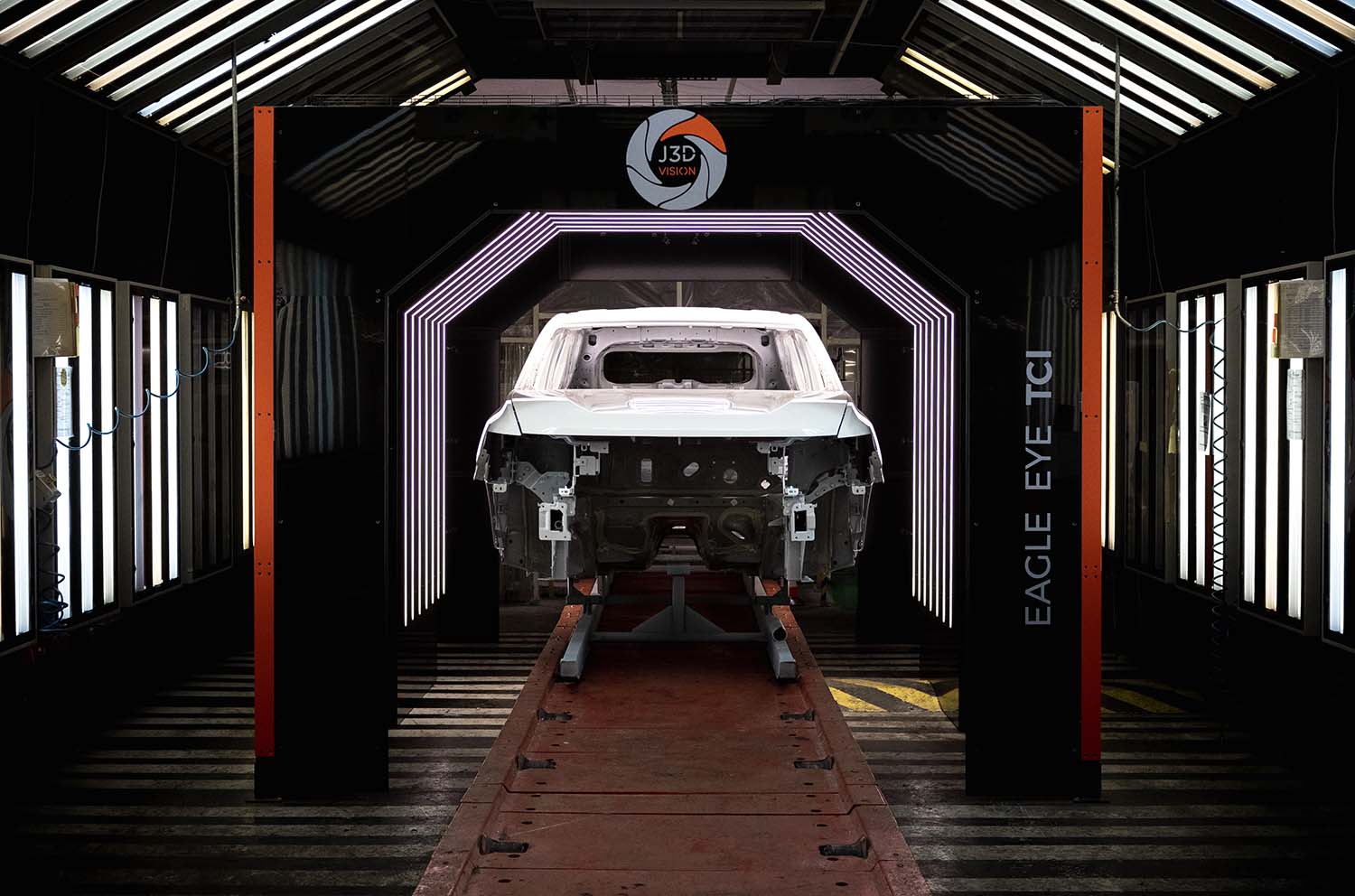
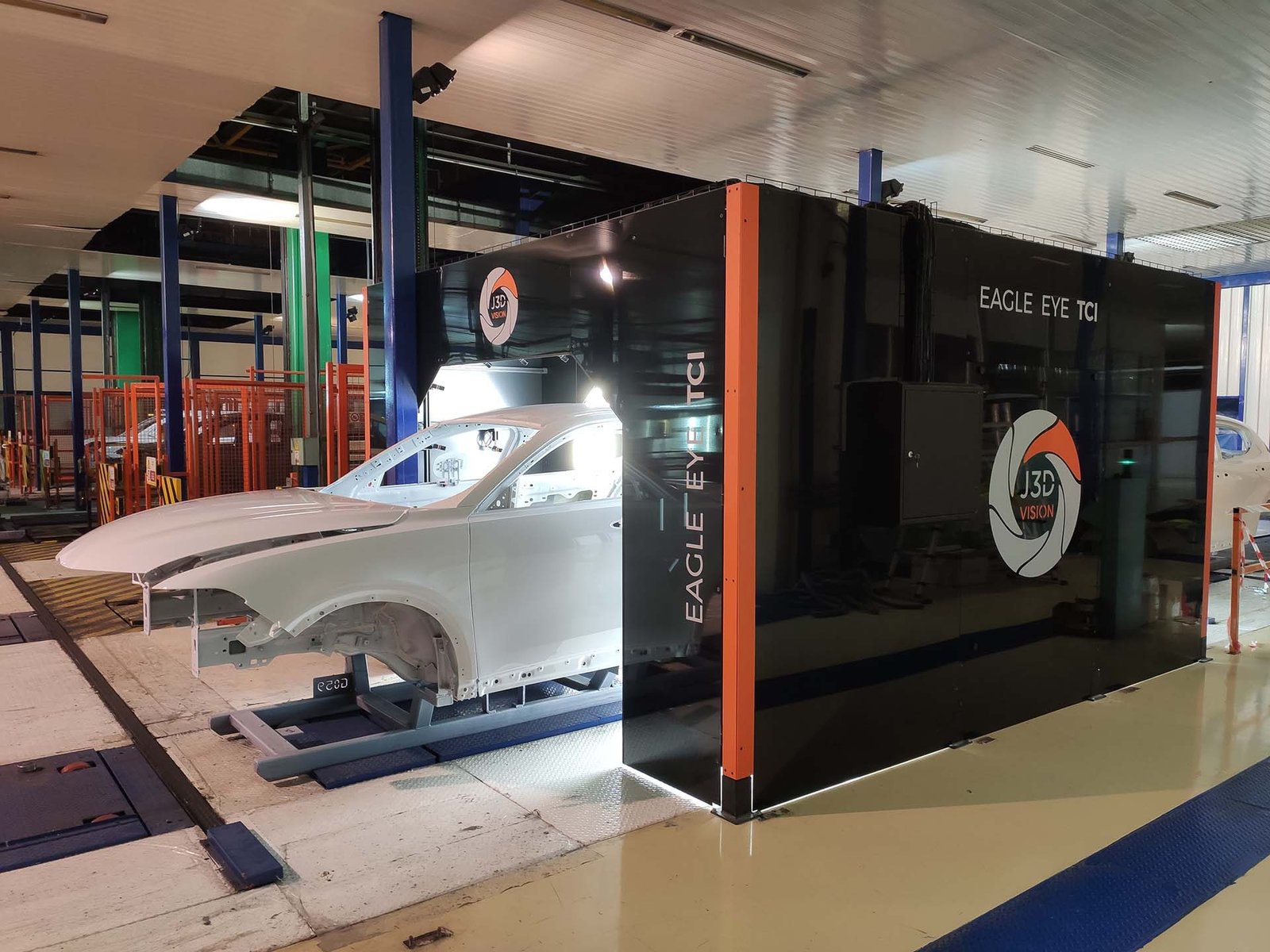
The key is inspecting every stage, from the ELPO coating to the matte primer, with automated inspection systems that work without stopping the line.
Repair with data, not marker pens
Imprecise defect location can lead to repairs that are bigger than they need to be. Accurate data on each defect’s position, type and size makes it possible to target the repair, cut rework time and standardize the repair process.
That’s the principle behind automated paint defect repair with HUMMINGBIRD®.
Use the data to fix root causes
Optimizing repairs cuts costs, but it doesn’t remove their source. The biggest savings come from logging and analyzing defects on every body, then correlating them with paint booths, application robots and material batches to pinpoint root causes and stop defects before they happen.
MES integration and full traceability turn inspection into a continuous improvement tool.
How automated inspection can reduce the cost of poor quality
An automated paint defect inspection system can cut the cost of poor quality by detecting, locating, classifying and logging imperfections on every vehicle body. Savings come mainly from three areas:
- Smarter repairs: less time spent locating and fixing defects, and less material used.
- Higher productivity: shorter inspection times, fewer line stoppages and less risk of repair areas backing up.
- Defect prevention: traceability and data analysis to pinpoint recurring causes and take corrective action on the process.
The table below sums up the impact on each main cost item.
| Cost | Impact of automated inspection |
|---|---|
| Labor | Cuts the time spent inspecting and locating defects. |
| Consumables | Enables more precise, less extensive repairs. |
| Energy | Can lower consumption linked to avoided rework and resprays. |
| Repair time | Makes each repair easier to locate and prepare. |
| Stoppages and OEE | Can reduce interruptions and repair area backlogs. |
| Rejects and warranty | Lowers the risk of undetected defects reaching the customer. |
| Recurring defects | Helps identify and fix root causes. |
Find out what poor quality is costing you today
Every plant has its own defect map and its own cost per bake.
Request a demo with J3D Vision’s engineering team and we’ll work with you to pinpoint where your cost of poor quality comes from and what return you can expect.