
How to reduce the cost of poor quality in an Automotive Paint Shop
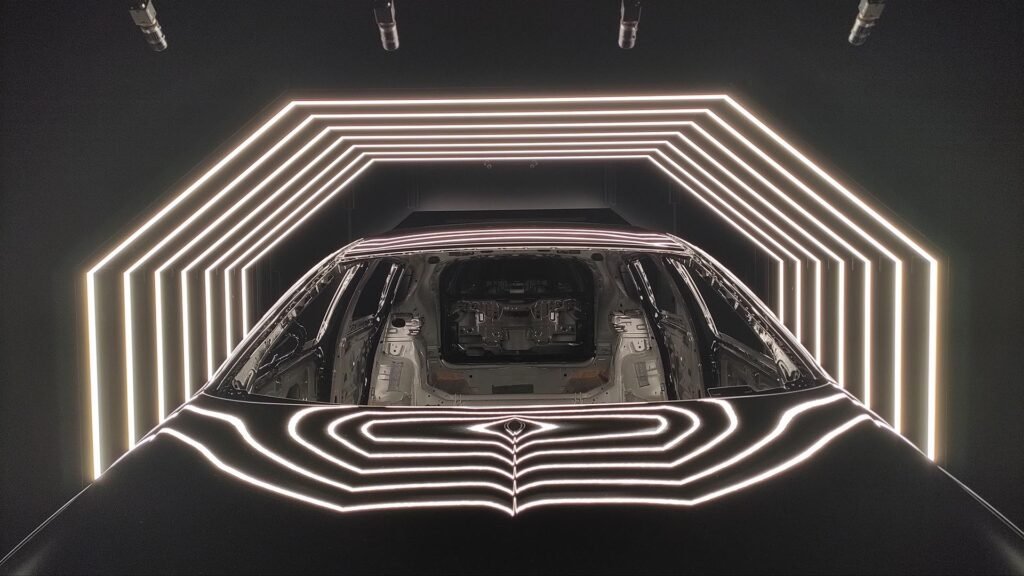
Paint defects on vehicle bodies still rely on operators to find them, identify them and judge how serious they are. Then comes the decision: can the defect be fixed on the spot by sanding and polishing, with or without stopping the line, or does it need to be flagged for repair further downstream? Every one […]
What is an Automated Inspection System and how does it work in an automotive plant?
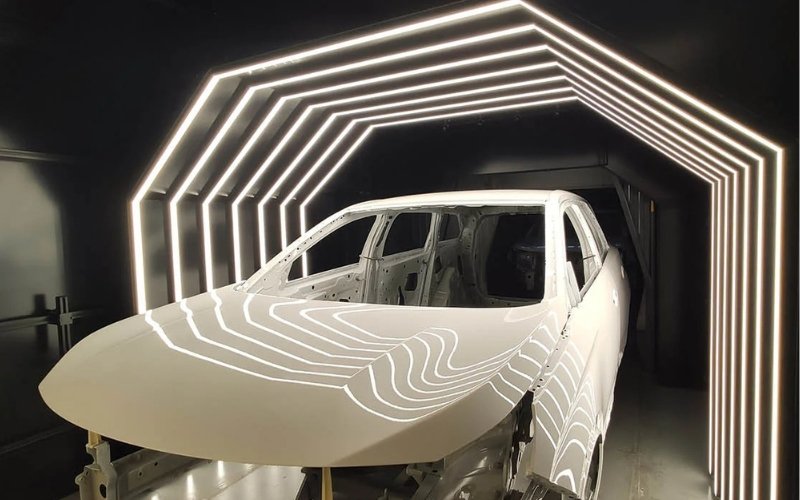
For decades, the way a paint defect was handled on an automotive line looked almost the same everywhere in the world. Along the production line, several operators carried out visual inspections of the car bodies to detect potential paint defects, in certain cases also resorting to tactile inspection. Once a defect was identified, and depending […]
AI and Deep Learning in Paint Defect Detection
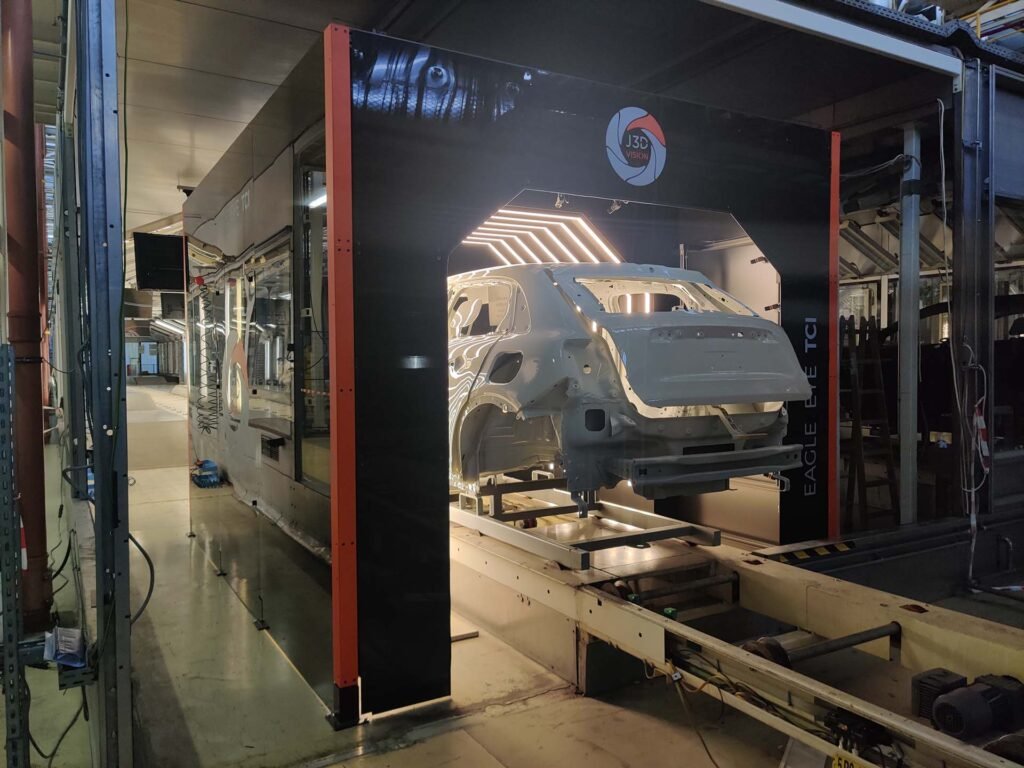
At J3D Vision, we build AI into paint lines through Eagle Eye — a system that combines industrial machine vision, optimized multispectral lighting and deep learning models trained on real production defects, not lab samples, to inspect car bodies in motion without slowing the line down. None of that starts with the algorithm. Before deep […]
How 100% In-Line Inspection on Moving Painting Lines Works
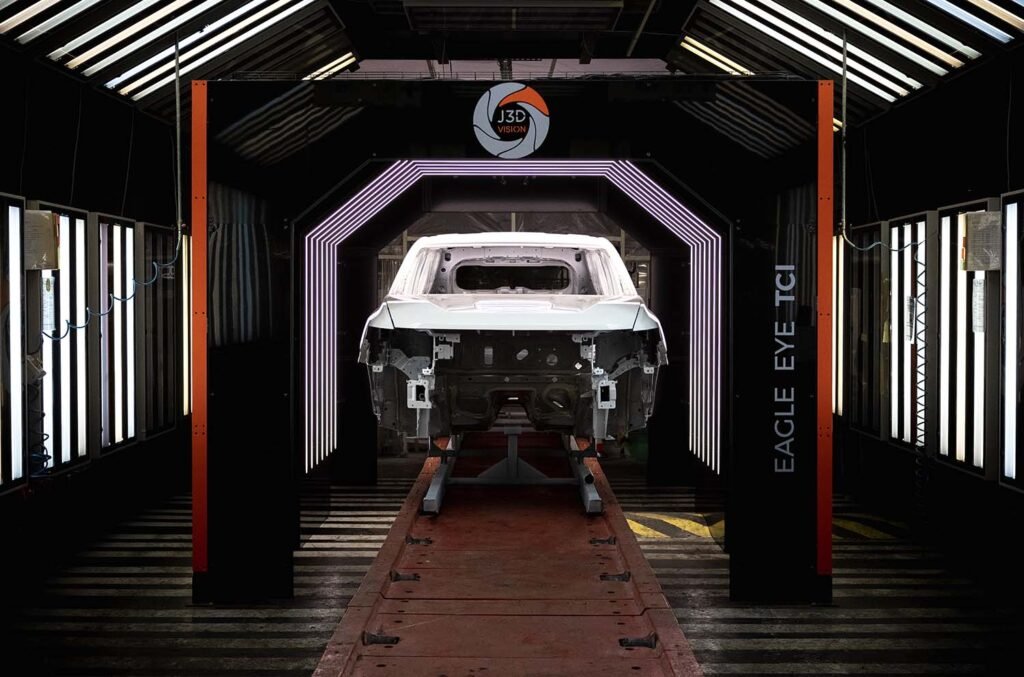
Ask any paint shop manager and they will tell you the same thing: if the line stops, money evaporates. Running at cadences pushing 150 jobs per hour (jph) leaves zero room for hesitation. Either the line flows, or plant operational costs skyrocket. This is precisely where traditional quality control collides with reality. For years, factories […]
Industrial Machine Vision Applied to Automotive Quality Control
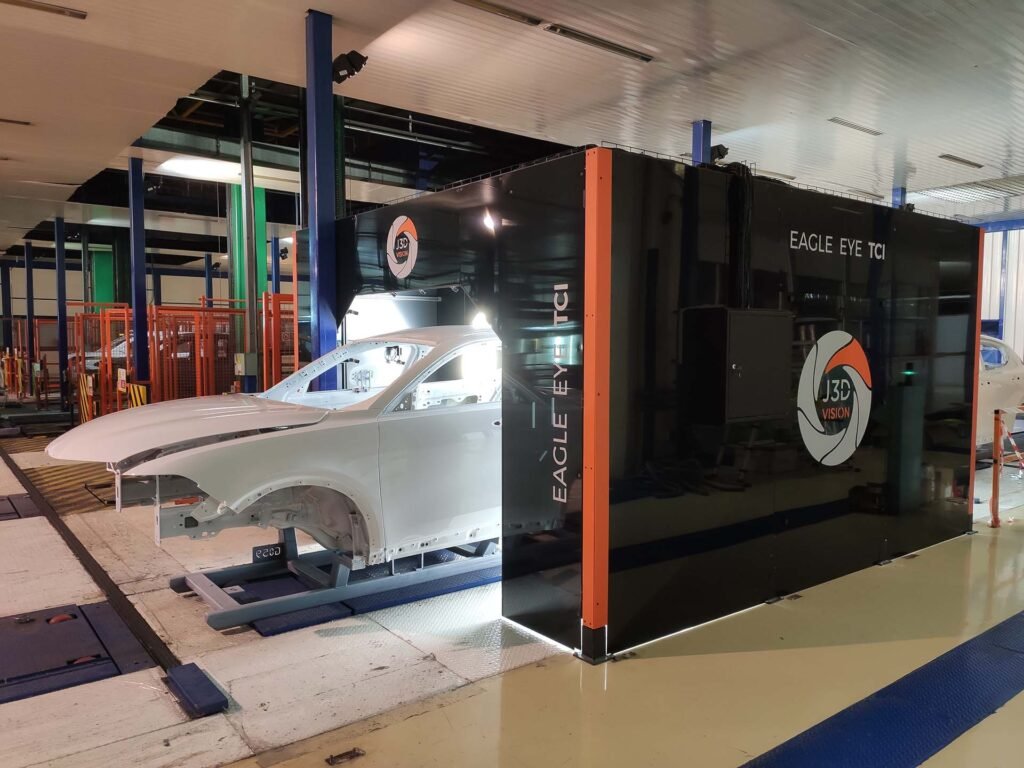
The automotive industry operates under an absolute mandate: the relentless pursuit of zero-defect manufacturing and maximum Overall Equipment Effectiveness (OEE). In modern assembly plants, where production cadences regularly reach up to 150 jobs per hour, legacy quality control methods like statistical sampling or manual visual audits have become glaring bottlenecks. They don’t just slow down […]
Minimizing Rework in Automotive paint shops: catching defects prior to the Top Coat
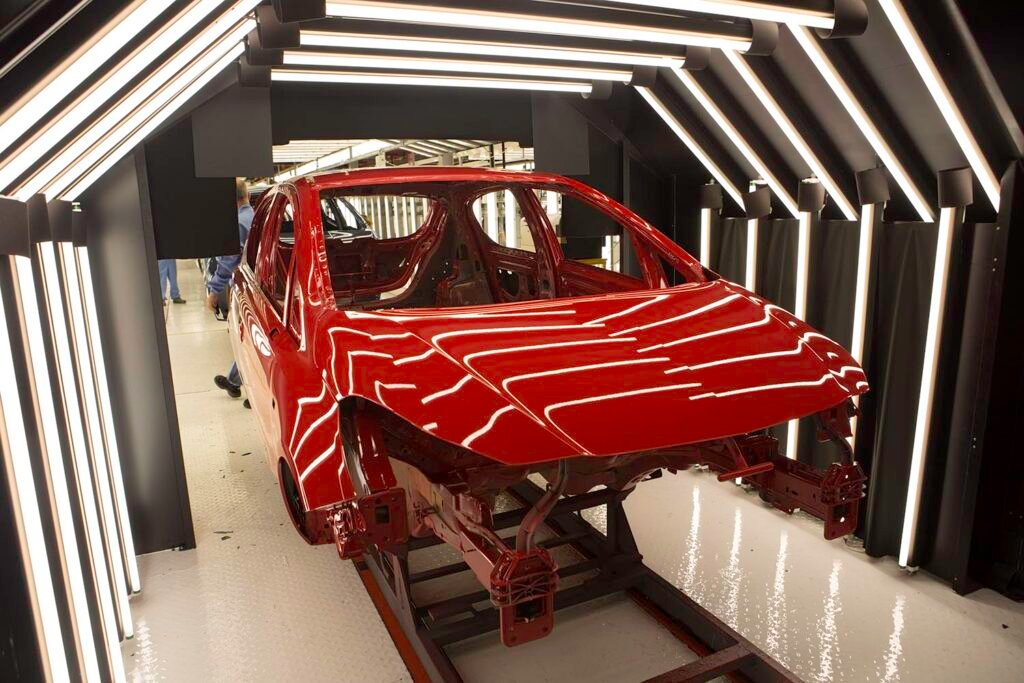
In the modern automotive industry, the quality of a paint finish extends far beyond aesthetics—it serves as a critical barometer for overall plant throughput and operational efficiency. Yet, many manufacturing facilities still wrestle with a costly operational blind spot: uncovering surface imperfections only after the vehicle has emerged from the final clear coat oven. At […]
Intelligent defect management: the Hummingbird® ecosystem
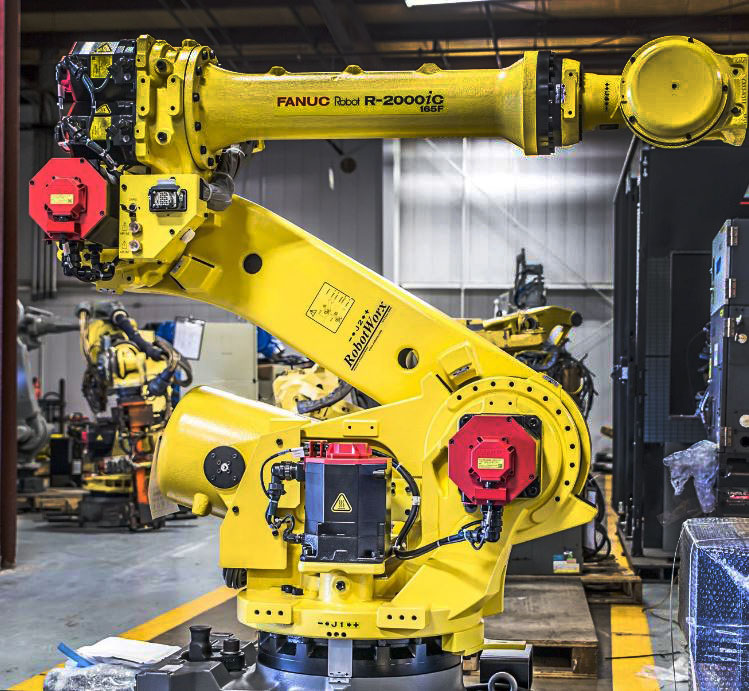
In an automotive paint shop, simply detecting a defect is no longer enough. The paint finish is both the most visible quality standard and one of the most persistent operational bottlenecks. For years, detecting dirt seeds or surface irregularities was only half the battle. The other half—the repair—still relied on a manual workforce, introducing process […]
High-cadence line efficiency: the potential of Eagle Eye
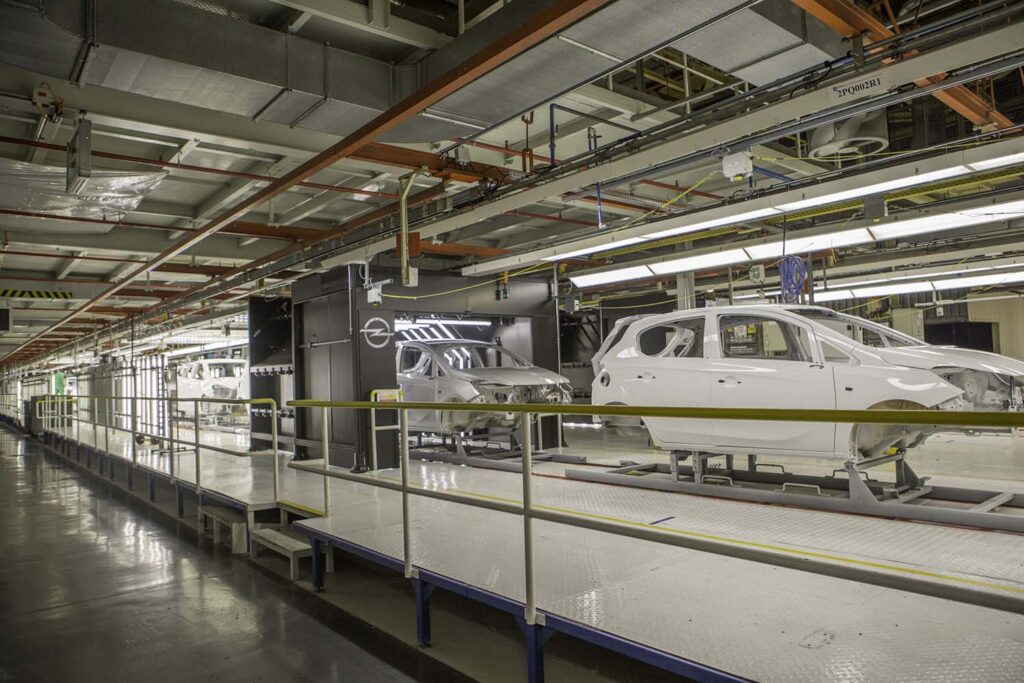
Modern automotive production lines operate at grueling paces. At 150 bodies per hour (JPH), any weak point in quality control becomes a critical bottleneck. In this context, manual car inspection simply falls short: it lacks consistency and, above all, cannot keep up with the rhythm without affecting throughput. Eagle Eye, J3D Vision’s automated inspection technology, […]
Defect control in matte finishes: achieving Primer Coat success
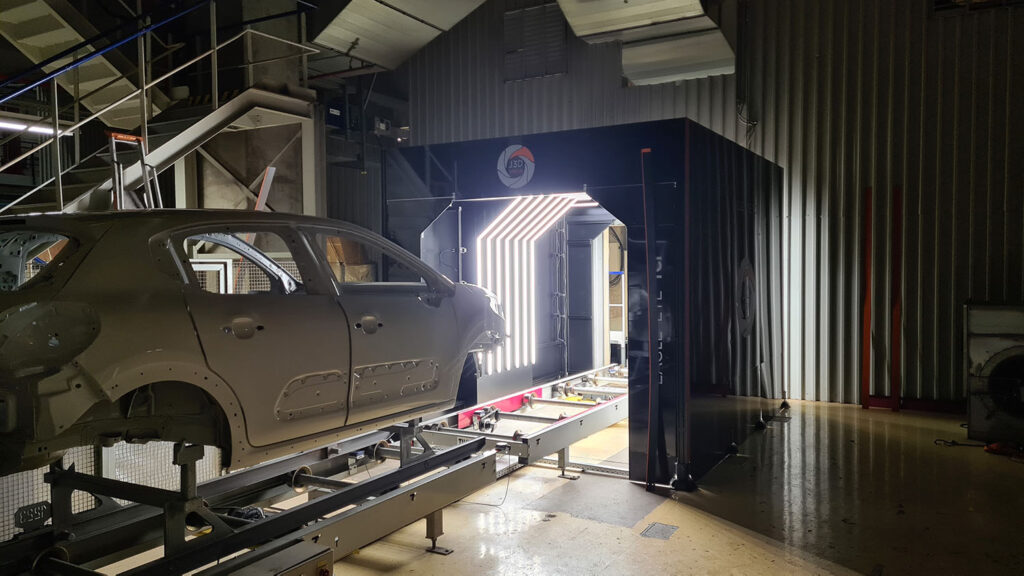
In the car body painting process, the Primer Coat (primer surfacer) is a critical stage: it determines the leveling, adhesion, and aesthetic outcome of all subsequent layers. Unlike the final finish (Top Coat/Clear Coat), primer typically features low gloss and a texture that complicates visual inspection and reduces the performance of conventional machine vision. A […]
Underbody Inspection: preventing assembly errors in automotive manufacturing
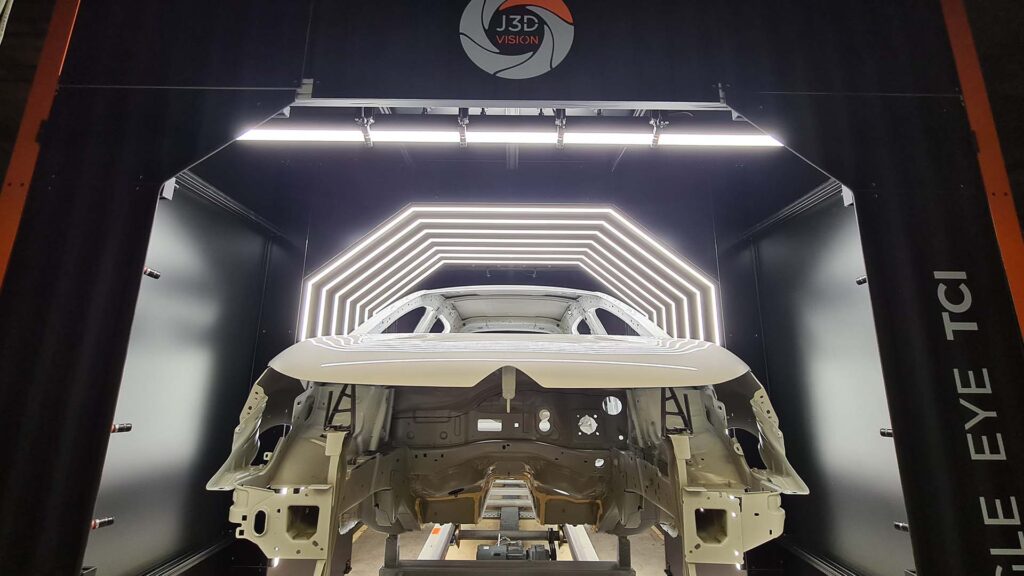
In the automotive industry, many of the most critical issues remain invisible… until the vehicle is already on the road. The Underbody is home to elements vital for a vehicle’s safety, durability, and watertightness. A minor error in this area can manifest months later as cabin noise, water leaks, corrosion, or even structural failure. Historically, […]